On this page
For parents exploring weak foot football training, here's what our Pitch Ready coaches suggest. You can see how we build this up in our weak-foot development.
Every scout notices the two-footed player. The good news: your child's weak foot can catch up in weeks, not years — if the training is right.
Why the weak foot lags
Children play, pass, and shoot with the strong foot by default. The weak foot never gets reps. Fix the reps, fix the foot.
Our 3-stage weak foot programme
- Static — 200 weak-foot touches per session in place.
- Moving — dribbling only with the weak foot for 5 minutes.
- Pressured — 1v1s where they must use the weak foot.
Home drills
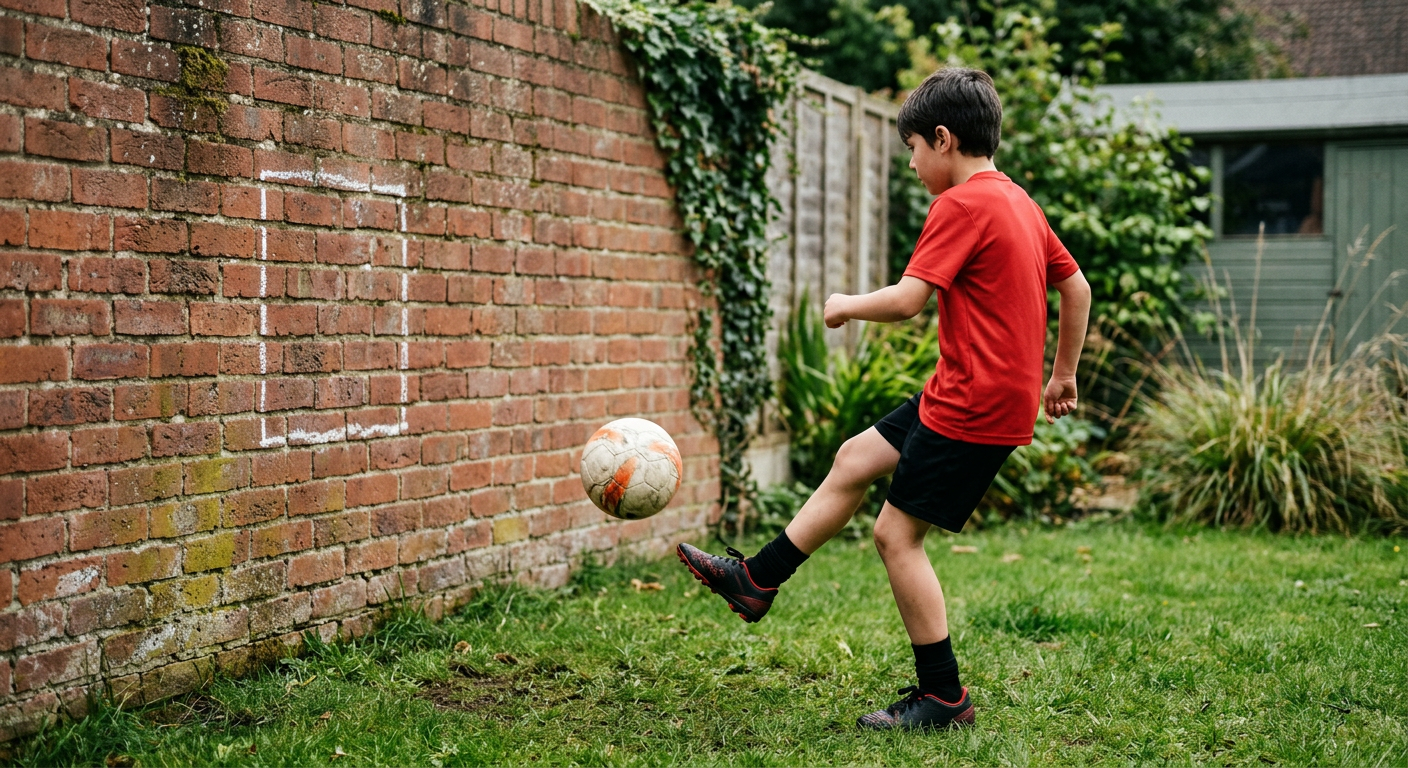
Wall passes with weak foot only, 5 minutes daily. Sole rolls with the weak foot. Two-footed juggling starting with weak foot.
How long until it feels natural?
Most players feel a real difference after 6 weeks of consistent work.
FAQs
What age should we start?
From 8 upwards. Younger children can start with two-footed ball mastery.
Can weak foot work help defenders and goalkeepers?
Yes — clearances, distribution, and 1v1 defending all improve.
Explore our dedicated weak foot development session.
Why your child should develop their weaker foot
Modern football moves at a rapid pace. When a young player can only use their dominant foot, they often find themselves forced into tight corners or losing momentum because they have to shift the ball back to their comfortable side. Developing a reliable weaker foot is not about creating a perfect mirror image of their stronger side, but about giving them the tools to stay balanced and unpredictable on the pitch.
Starting this process between the ages of 6 and 16 is ideal because young players are still developing their motor skills and coordination. If a child learns to pass, touch, and shoot with both feet early on, it becomes a natural part of their game rather than a chore they have to fix later in life. This versatility helps them feel more comfortable in different positions and allows them to navigate pressure from defenders more effectively.
Simple weak foot football training at home
Parents can support their child's development through consistent, low-pressure practice away from team training. The most effective way to improve is through high repetition in a relaxed environment. You do not need a full pitch or expensive equipment to make progress.
One of the best methods is a simple wall-ball drill. Ask your child to stand a few yards from a wall and pass the ball against it using only their weaker foot. They should focus on using the inside of the foot for accuracy and then try using the laces for power. If they do fifty touches every day, the movement will eventually feel like second nature.
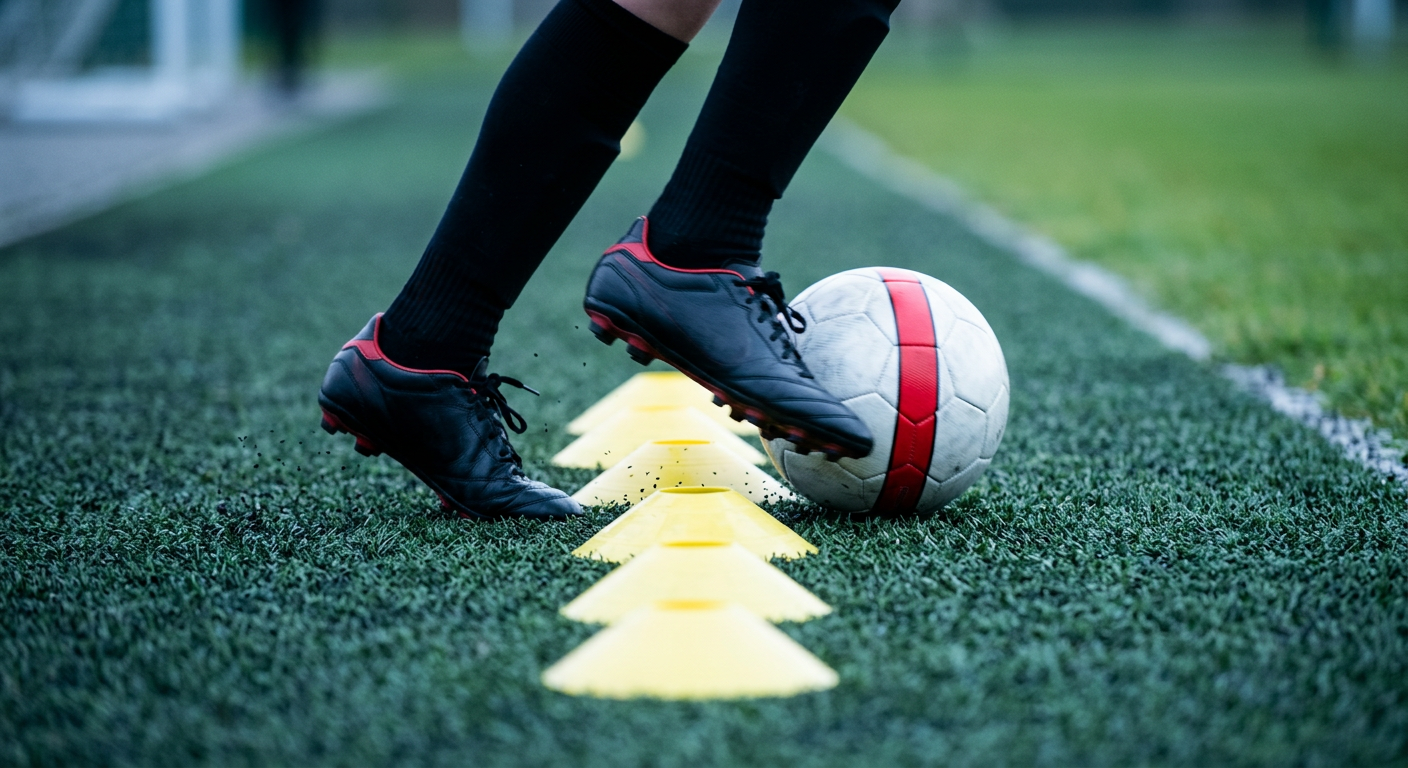
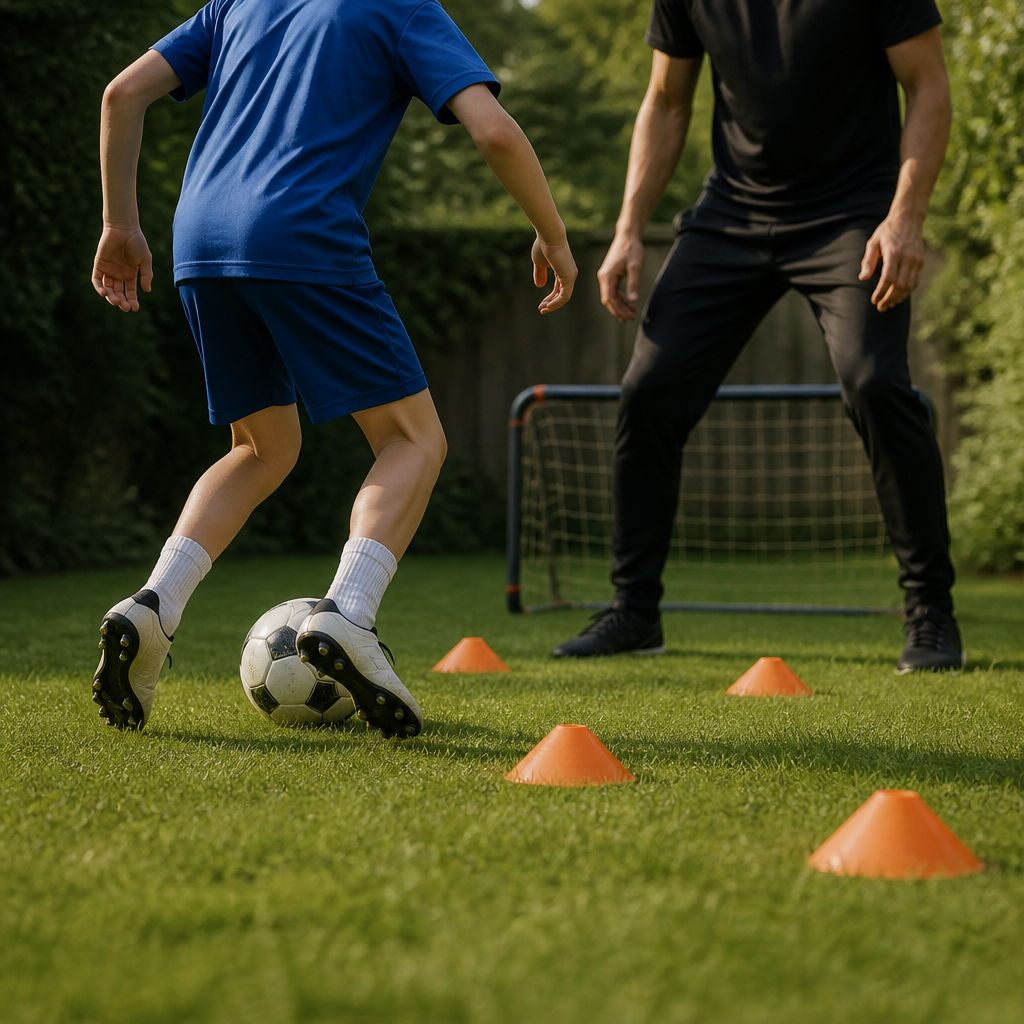
Another practical home drill involves close-control dribbling. Set up a small line of cones or even household items like water bottles. Encourage your child to weave through the obstacles using only their non-dominant foot. You should watch for their balance and body position. If they find it difficult, suggest they slow down and focus on the quality of the touch rather than the speed of the drill. Consistent practice is the most reliable way to build confidence.
Ready to see this in a session?
If your child would benefit from focused 1-to-1 coaching, weak-foot development with Pitch Ready or get in touch to talk through what they need next.
Written by
Founder and head coach at Pitch Ready Football. Alejandro runs one-to-one and small-group youth coaching sessions across North London, focused on ball mastery, confidence, and long-term development for children of all abilities.