On this page
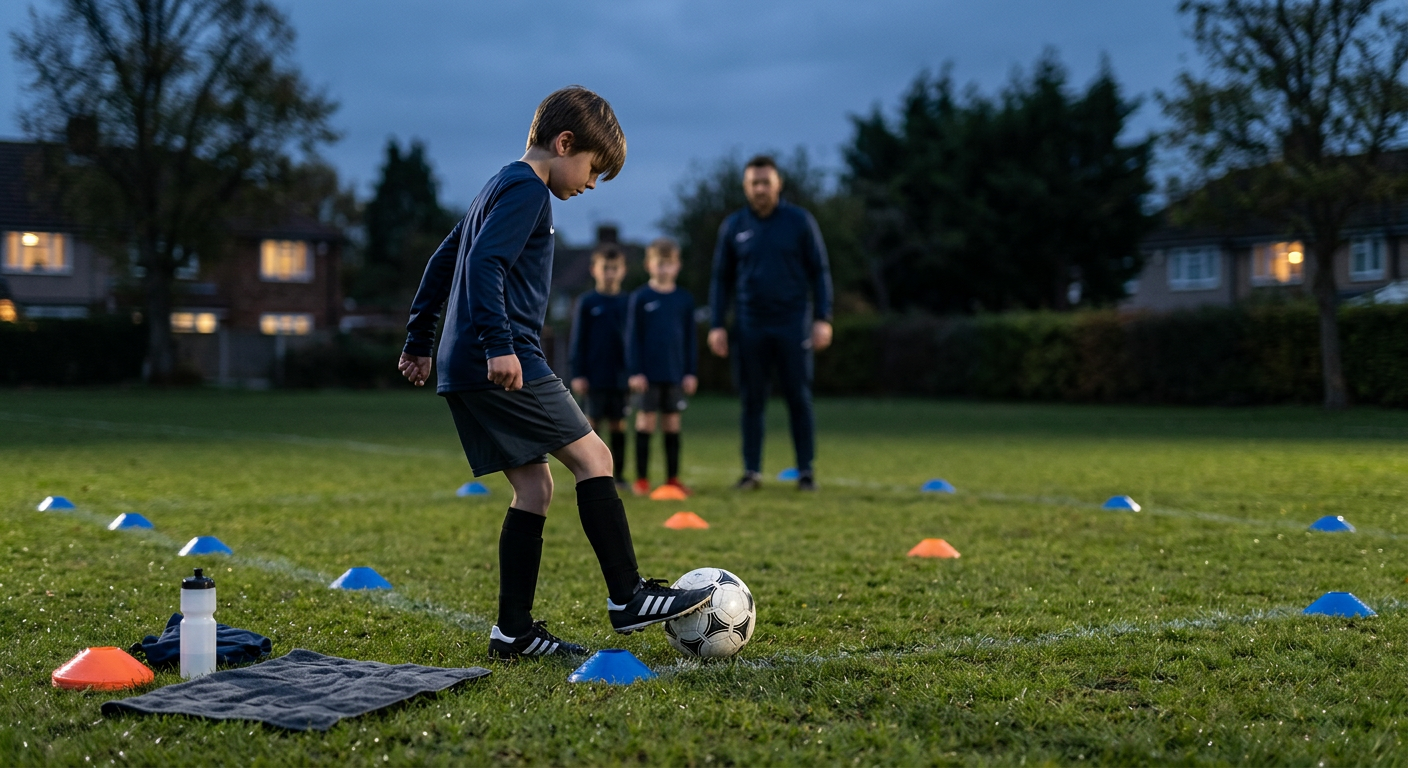
For parents exploring small group football coaching for children, here's what our Pitch Ready coaches suggest.
Small group coaching sits between team training and 1-to-1. Done well, it's the best value-per-hour football coaching a young player can get. Here's when it fits.
The ideal size
3–6 players. More than 6 and it drifts back towards team session ratios. Fewer than 3 and the game-based drills stop working.
What it's best for
Children who already have some technical base but need match-like reps — decision-making, 1v1s, small-sided games, position-specific movement.
When 1-to-1 is still the better choice
Beginners, children rebuilding confidence, and specific skill deficits (weak foot, first touch under pressure). Do 4–6 weeks of 1-to-1 first, then add the group.
Grouping matters
We match by ability and age, not just by whoever booked. A confident 11-year-old with two shy 9-year-olds usually helps nobody.
Sibling duos and small groups
If you have two children close in age, a sibling duo is often the perfect version of this.
Why small group sizes benefit development
While team training focuses on tactics and individual coaching focuses on technique, small group football coaching for children provides a unique environment for social learning. When a child works alongside two or three peers, they are constantly required to react to movement. Unlike a drill against a cone, a small group setting introduces the unpredictability of a live opponent. This helps players refine their decision making under pressure while ensuring they still receive a high volume of touches on the ball.
In these smaller sessions, children often feel more comfortable and less overwhelmed than they might in a large squad. It allows for more specific attention from the coach without the intensity of a direct one-to-one focus. This balance can be particularly effective for building confidence in players who may be quieter during their weekend matches.
How to support progress at home
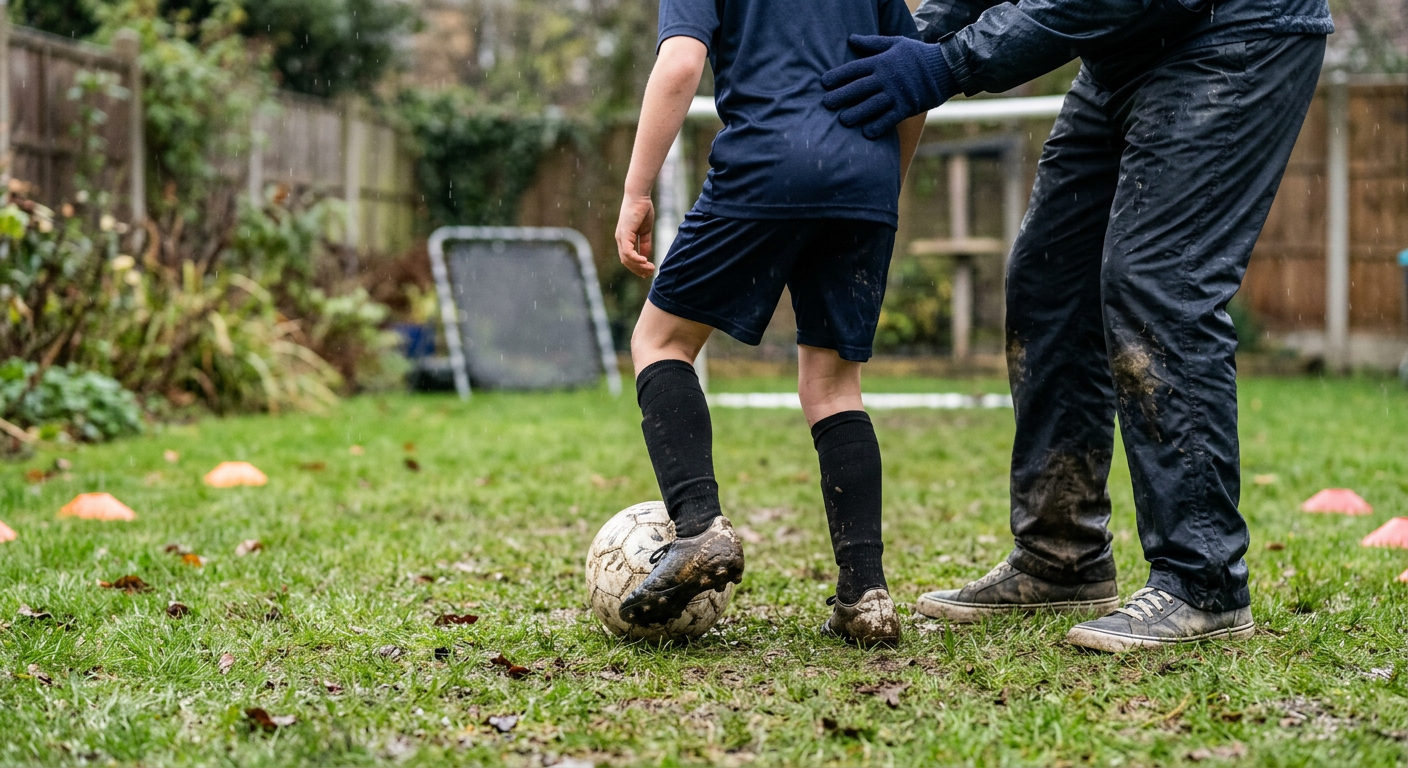
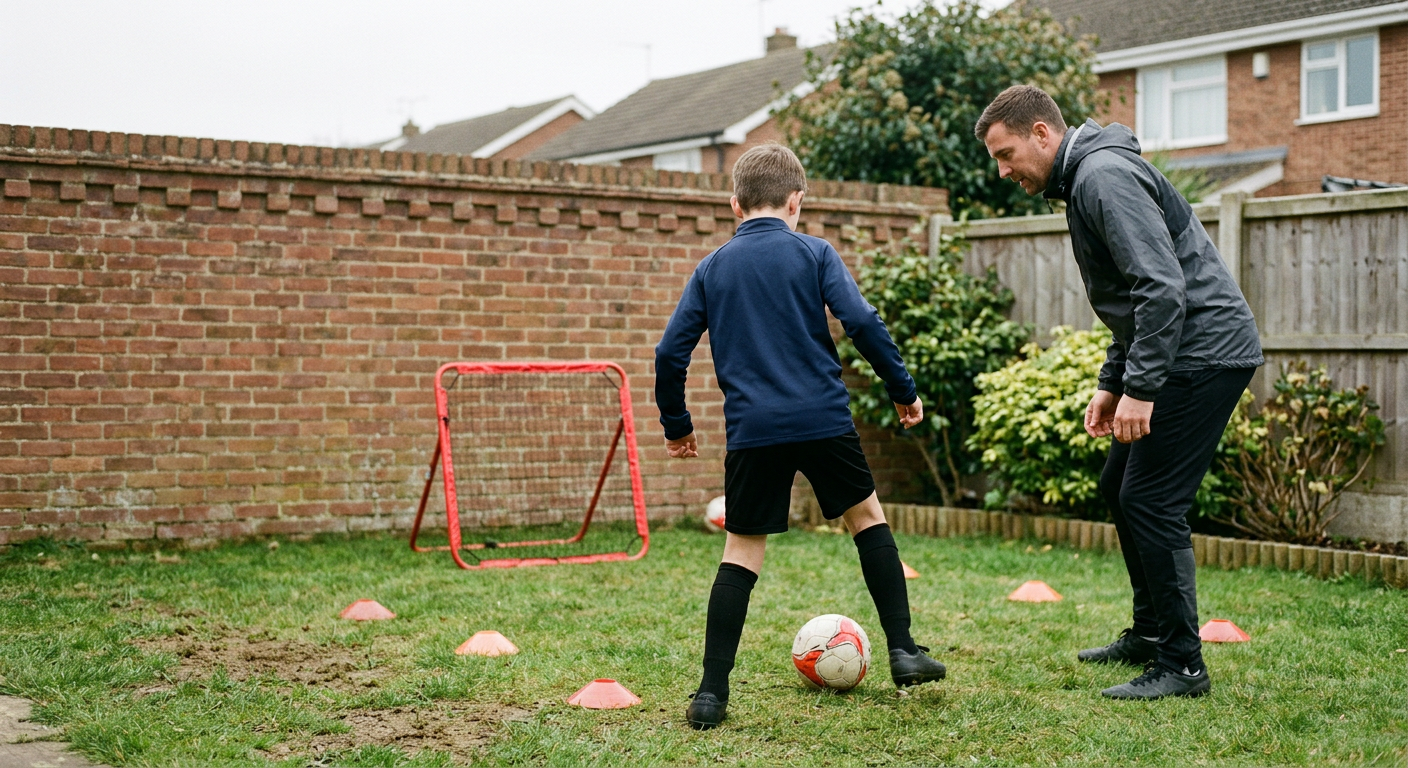
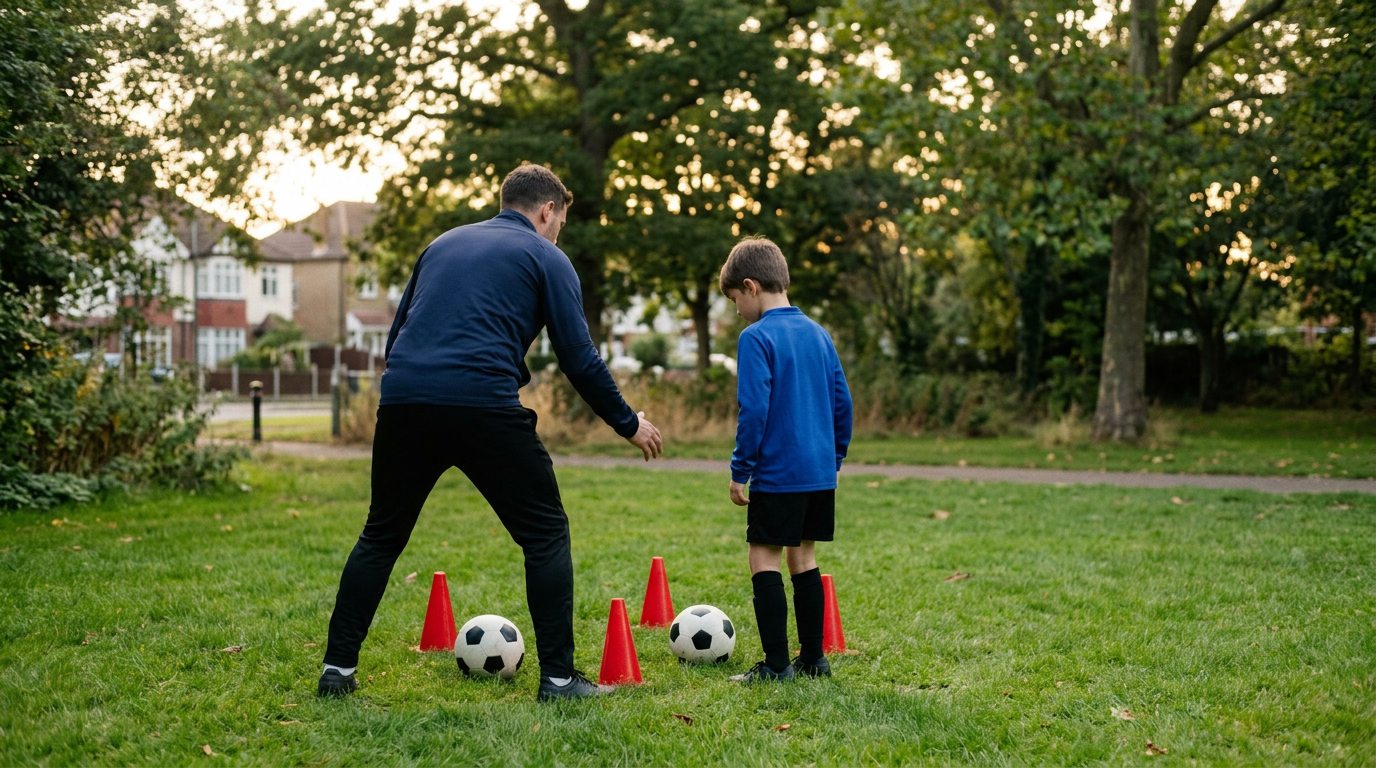
Parental support is vital for any young player looking to refine their skills. You can assist your child by encouraging simple drills that mimic the interactions found in small group sessions. If you have space in a garden or a local park, focus on passing and receiving while moving.
Instead of standing still and kicking the ball back and forth, try moving around the space so your child has to look up and adjust their body position before receiving the pass. Encourage them to use both feet and to focus on the weight of their pass. These small habits reinforce the work done during coached sessions. It is also beneficial to encourage children to watch high-level matches together, focusing specifically on how players move when they do not have the ball. Understanding positioning and spatial awareness is a core part of the game that can be discussed and practiced away from the training ground.
Ready to see this in a session?
If your child would benefit from focused 1-to-1 coaching, small group football training with Pitch Ready or get in touch to talk through what they need next.
Frequently asked questions
Written by
Founder and head coach at Pitch Ready Football. Alejandro runs one-to-one and small-group youth coaching sessions across North London, focused on ball mastery, confidence, and long-term development for children of all abilities.