On this page
Half-term Football Training Ideas for Young Players
Half-term breaks are a brilliant opportunity for young footballers to either catch up on some rest or dial in some extra practice. For parents looking to keep their children engaged, active, and improving their game without the pressure of regular league fixtures, a structured approach to half-term training can be hugely beneficial. Here are some practical ideas that go beyond just kicking a ball around.
Dedicated Technical Skills Sessions at Home
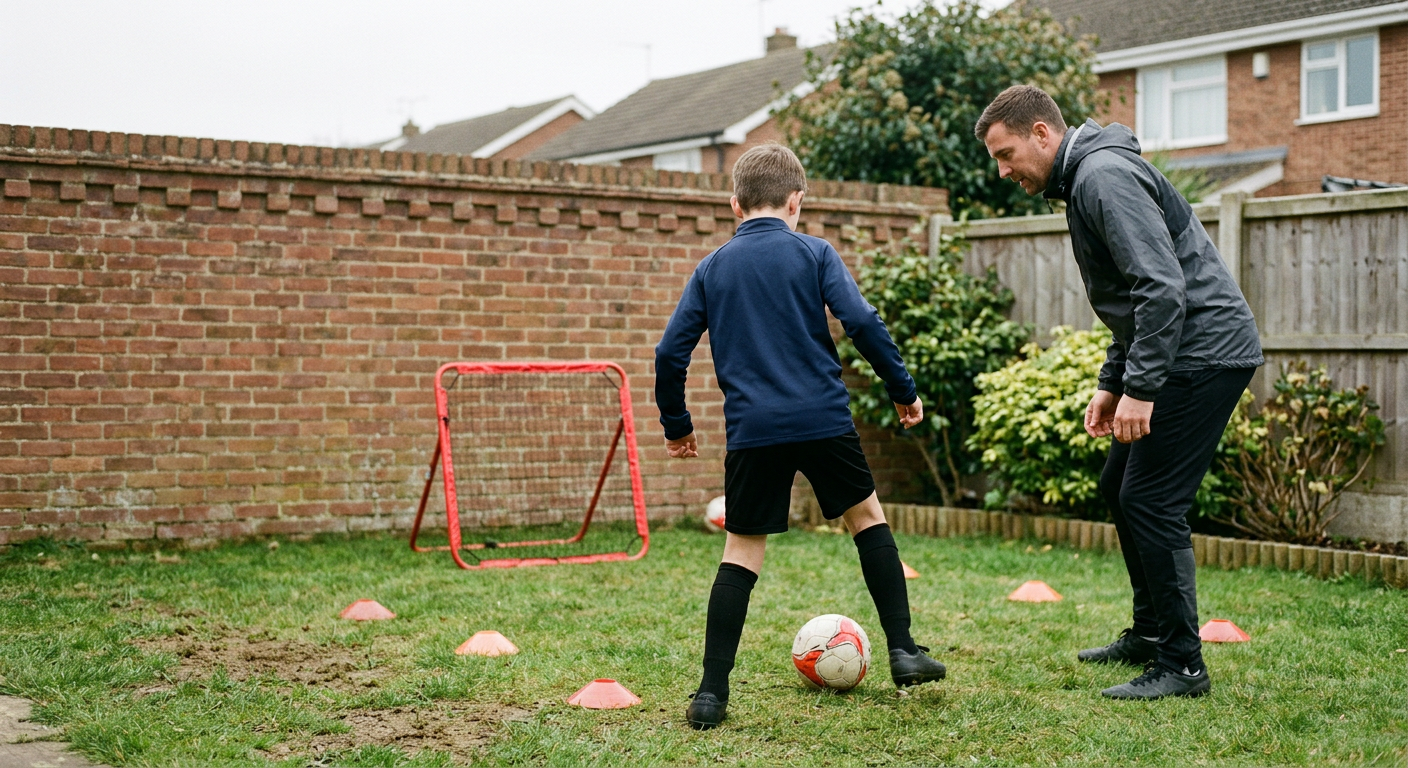
One of the best uses of half-term is to focus on individual technical skills without the distractions of a team environment. These can be done in your garden, a local park, or even a spacious living room if you're careful!
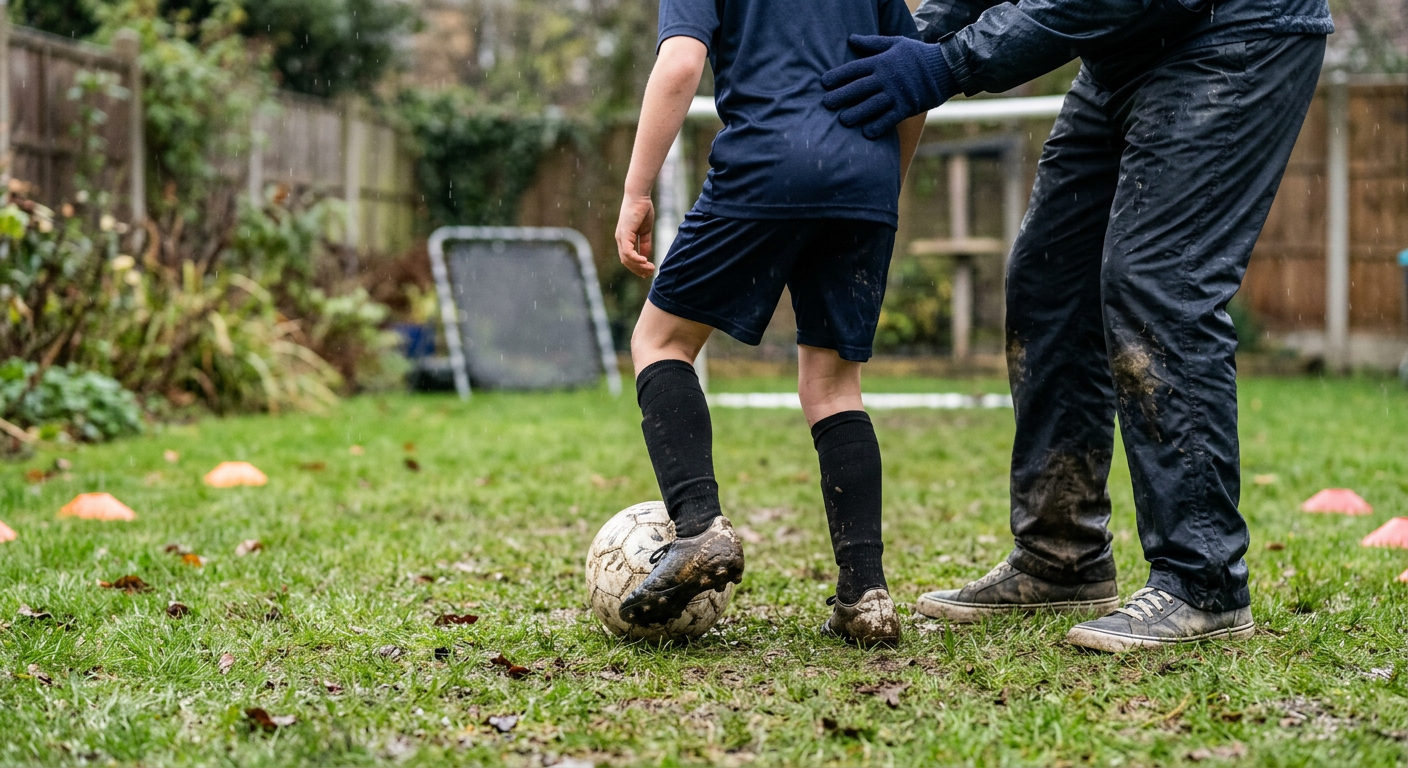
- Ball Mastery Drills: Set a timer for 10-15 minutes and have your child work on specific ball mastery exercises. Think 'tick-tocks' (inside of the foot touches), 'sole rolls' (rolling the ball with the sole of the foot), and 'foundations' (alternating inside touches while keeping the ball still). The key is repetition and rhythm. Encourage them to try different surfaces of the foot.
- Cone Dribbling: Set up 4-6 cones or even household items like shoes in a zigzag pattern. Challenge your child to dribble through them using both feet, focusing on close control and changing direction. Then, introduce different dribbling techniques, such as using the outside of the foot for speed or chopping the ball to change direction quickly.
- First Touch Practice: This is often overlooked but crucial. Have them stand a short distance from a wall and pass the ball against it, focusing on controlling the rebound with their first touch. Vary the passes – some hard, some soft – to simulate different scenarios. Emphasise receiving the ball out of their feet to create space.
Small-Sided Games and Creative Play
While individual practice is vital, football is a team sport. Half-term provides a chance for less structured, more creative play, which can naturally develop decision-making skills.
- 1v1 or 2v2 Challenges: If you have another child or a willing parent, setting up small-sided games can be incredibly effective. Focus on attacking and defending principles in confined spaces. Encourage them to try new moves, take players on, and communicate. This environment is less about winning and more about trying things out.
- "Street Football" Rules: Encourage imaginative play. Maybe goals only count if they're scored with a specific foot, or after a certain number of passes. This fosters creativity and problem-solving without strict coaching instructions. Think of how football was played in parks and streets for generations – pure enjoyment and experimentation.
Physical Development Without the Gym
Footballers need a good level of physical fitness, but for younger players, this should be integrated into fun activities rather than formal gym sessions.
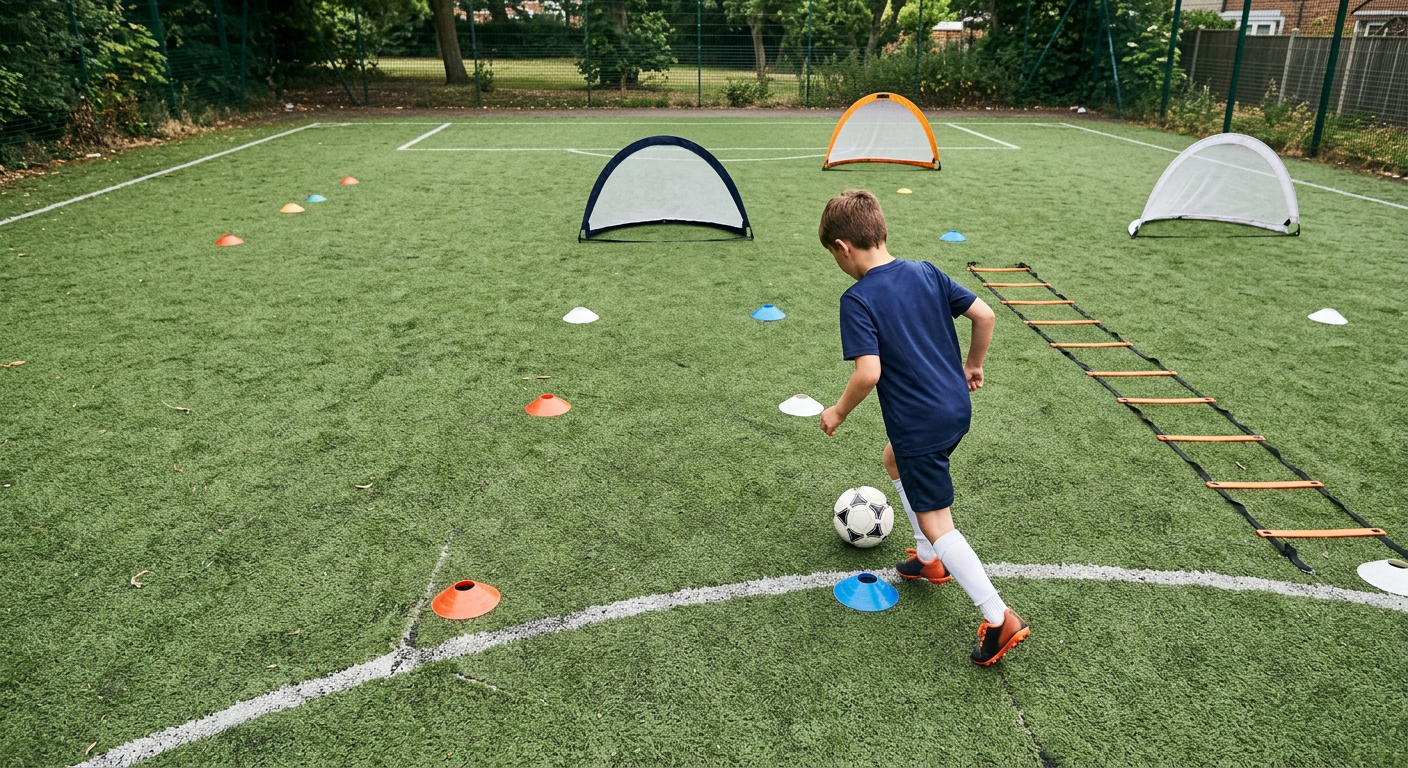
- Agility Ladder Work: If you have an agility ladder (or can draw one with chalk), this is excellent for foot speed and coordination. Simple drills like 'in-out' and 'bunny hops' can make a big difference. This can be easily done in a garden in Enfield or Winchmore Hill.
- "Football Fitness" Games: Devise games that involve running, jumping, and changing direction. For example, a game where one person tries to tag another, but they can only move by dribbling a ball. Or a circuit of football-related tasks: dribble to a cone, shoot at a target, sprint back, repeat.
- Stretching and Flexibility: After any physical activity, a gentle cool-down and some static stretches are important. This can help prevent injuries and improve range of motion. Make it a routine, even for 5-10 minutes.
Reflect and Review What You've Learned
Half-term is also a great time for reflection. Encourage your child to think about what they want to improve.
- Goal Setting: At the start of the week, ask them what specific skill they want to get better at. It could be "scoring more goals," "improving my weak foot," or "dribbling past players."
- Self-Assessment: After a session, ask them what went well and what they found challenging. This helps them become more self-aware players who can identify areas for improvement.
- Watching Pro Games (with a purpose): When watching a football match, don't just watch for goals. Encourage them to observe specific players – how they control the ball, how they move without the ball, their tackling technique. This can be hugely educational.
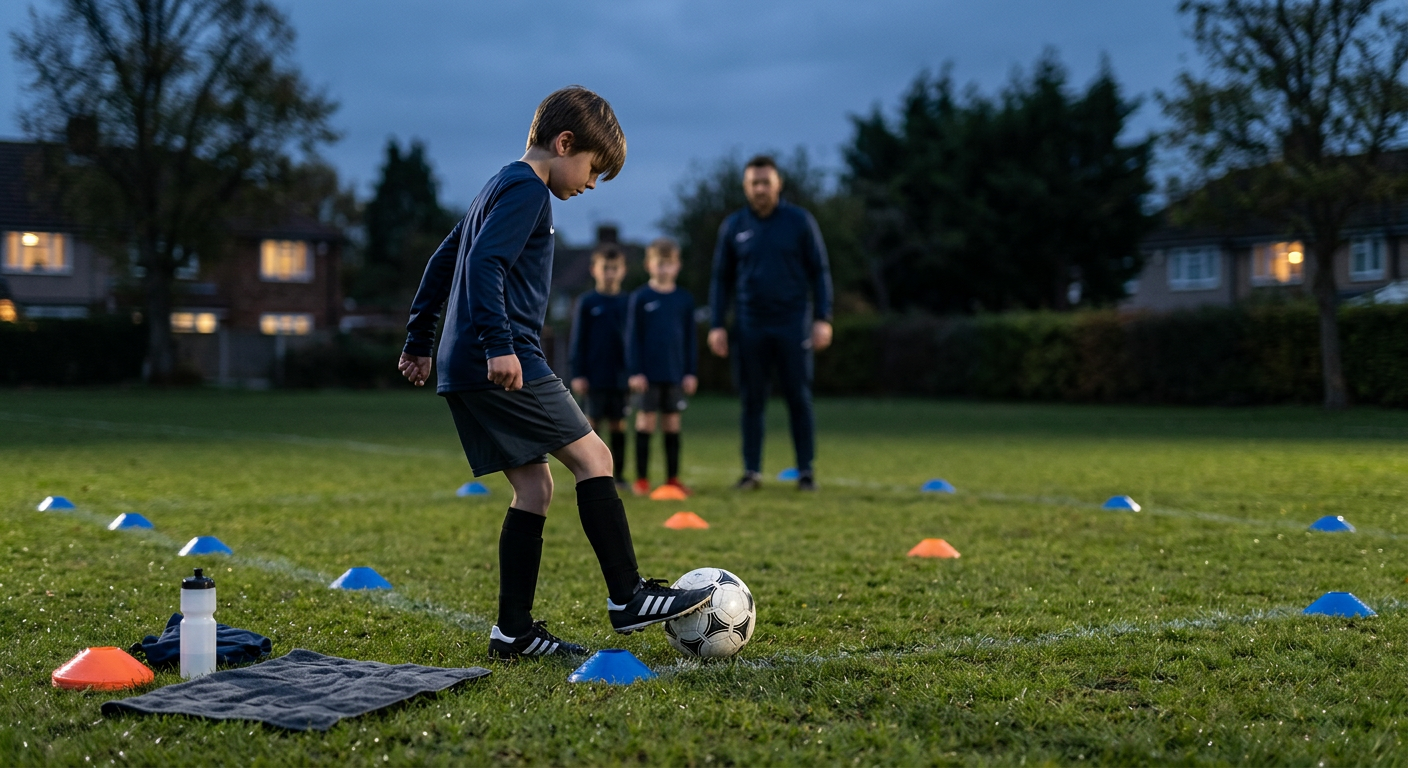
For a more structured and professional approach to honing skills during the school holidays, consider our specialised holiday training blocks. These sessions are designed to deliver targeted development in a fun, engaging environment.
We understand that you want your child to make the most of their time off. If you're looking for guidance beyond these tips or want a tailored plan, consider booking an evaluation with us to discuss your child's specific needs and our bespoke coaching options.
Frequently asked questions
Written by
Founder and head coach at Pitch Ready Football. Alejandro runs one-to-one and small-group youth coaching sessions across North London, focused on ball mastery, confidence, and long-term development for children of all abilities.