On this page
Sibling Football Coaching: Training Two Children Together
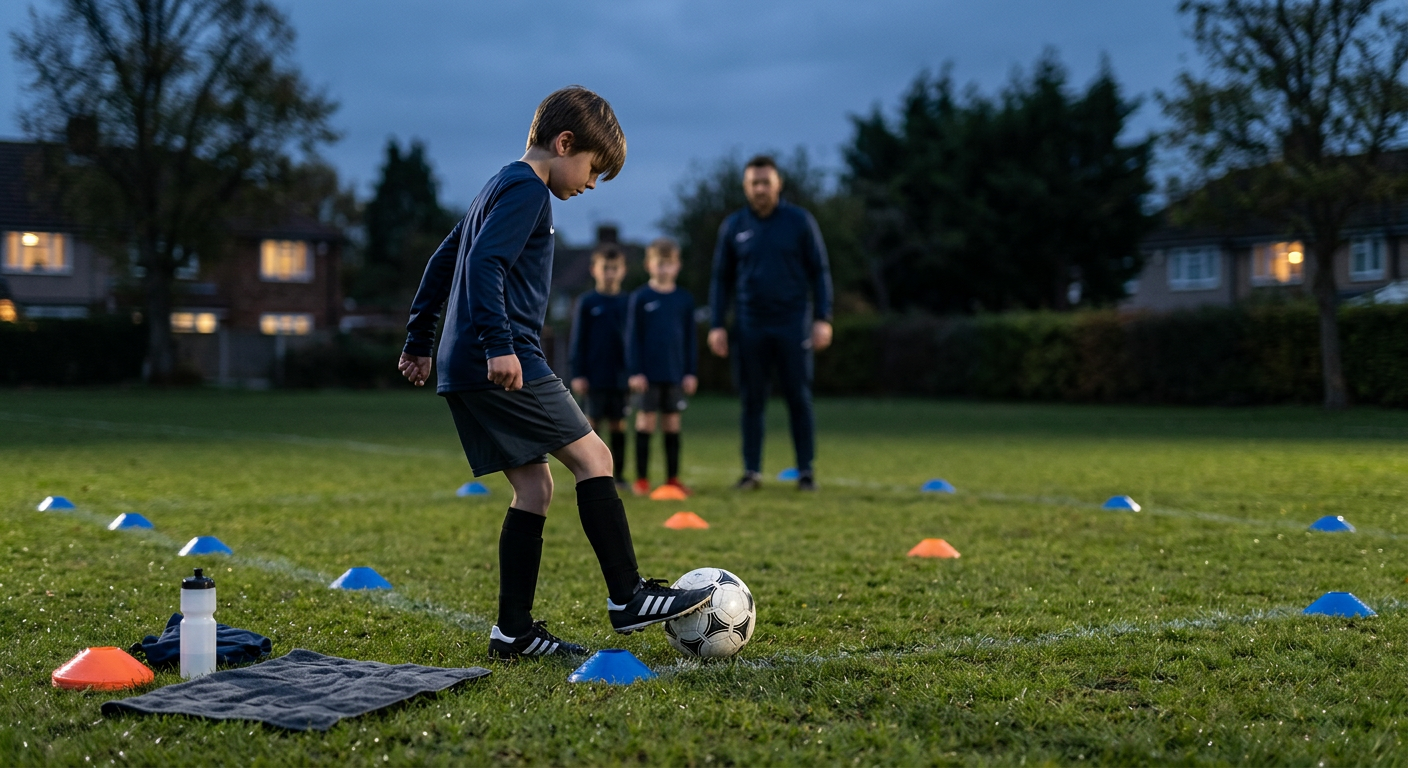
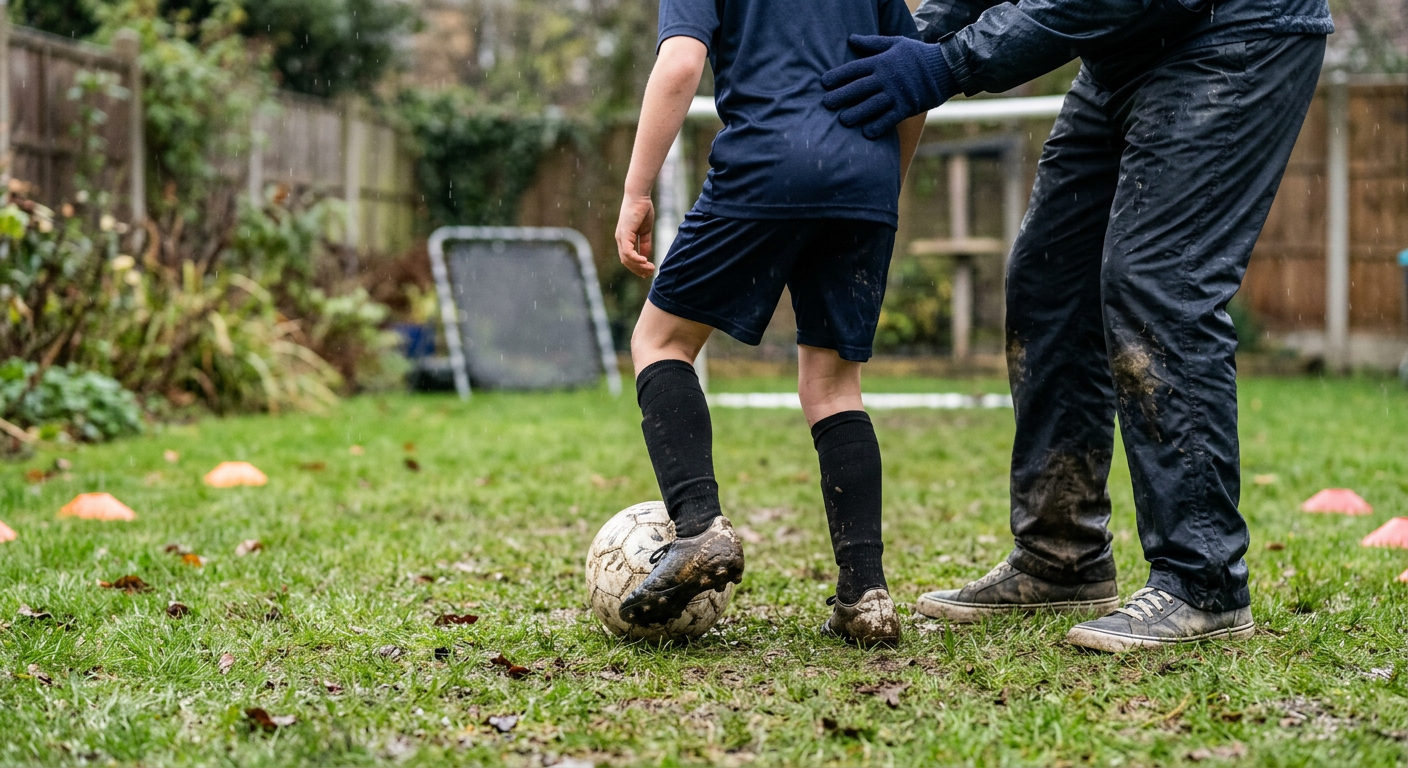
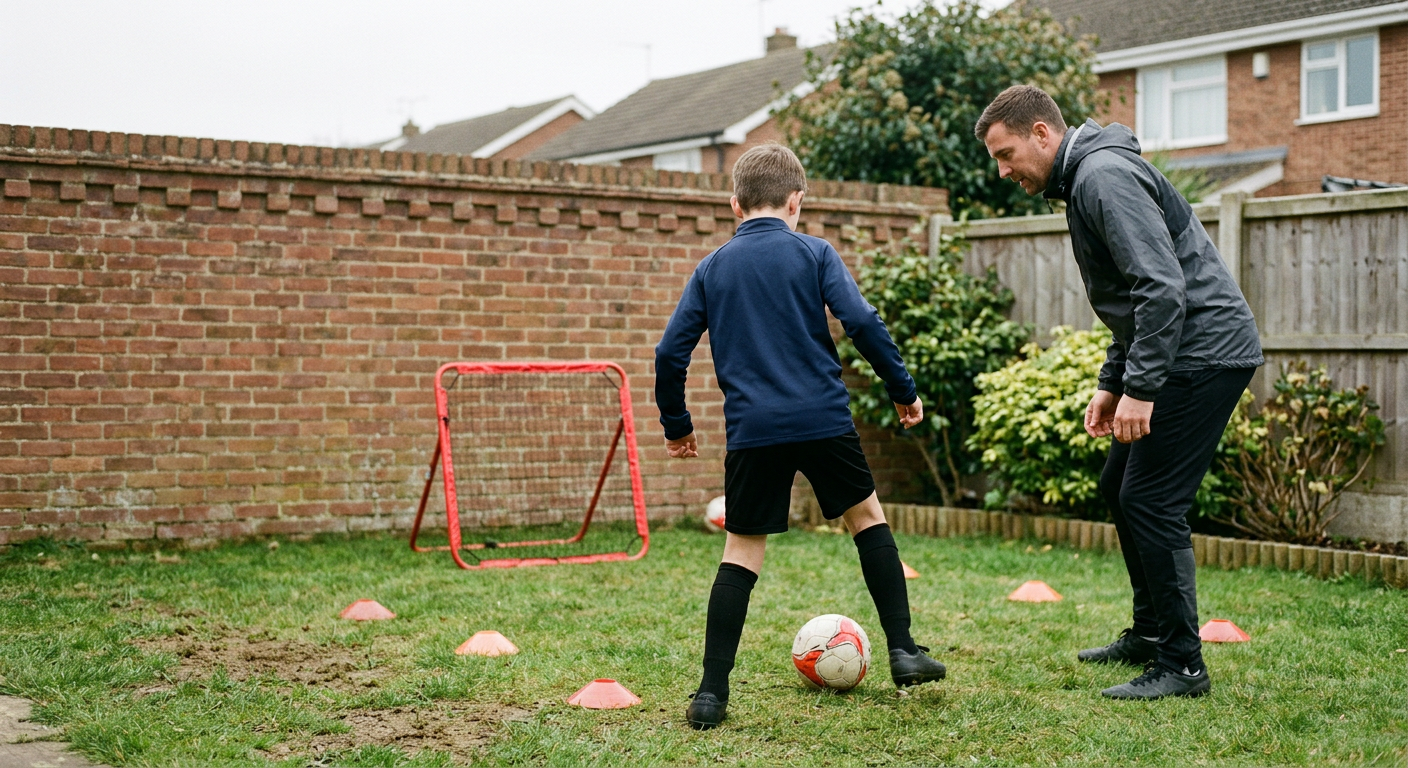
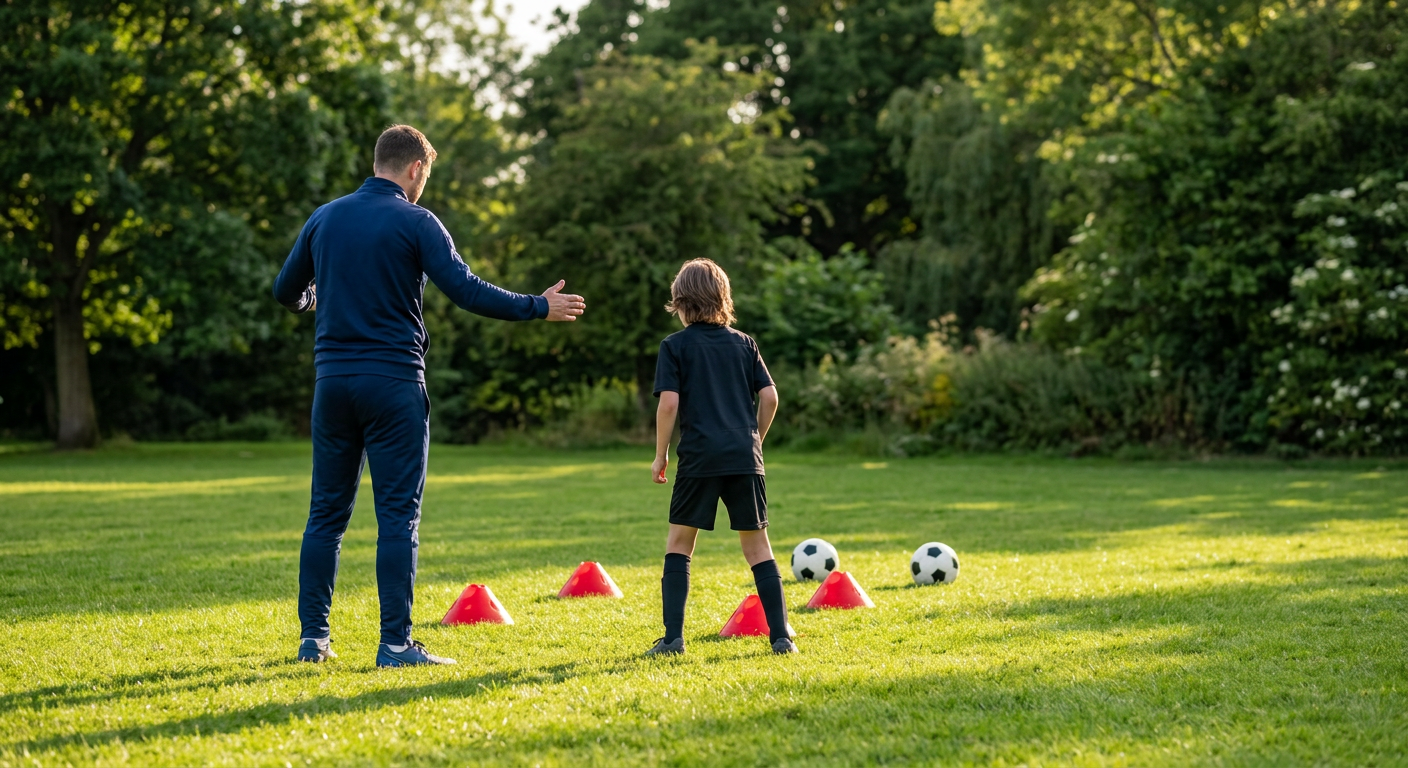
As a coach, I often get asked if it’s feasible to train siblings together, especially with a noticeable age or skill gap. The short answer is yes, it absolutely can be done effectively. The key lies in smart session design, understanding individual needs, and leveraging the unique dynamic that only siblings share on the pitch.
Maximising the Sibling Dynamic
Training siblings together offers some fantastic advantages that you don't always get with unrelated players. There's often an inherent understanding and communication built from years of shared experience. They know each other's strengths and weaknesses, their preferences on the ball, and even their moods. This can translate into quicker understanding of drills and a natural inclination to challenge and support each other.
For younger siblings, watching an older brother or sister execute a skill correctly provides a visual example that's often more impactful than a coach's demonstration alone. It makes the skill seem more attainable. Conversely, older siblings can benefit from the responsibility of demonstrating and guiding, which solidifies their own understanding and leadership qualities.
Tailoring Drills for Different Levels
The main challenge, of course, is the differing skill levels. A common pitfall is to deliver a one-size-fits-all session. My approach is to design drills that have adaptable parameters:
- Varying Complexity within the Same Drill: For a passing drill, the younger or less experienced sibling might focus on static passes over a short distance, while the older one works on first-time passes or receives the ball on the half-turn, perhaps with a tighter time limit.
- Adjusting Space and Pressure: In small-sided games or possession drills, the more advanced player might have fewer touches allowed or operate in a smaller, more congested area, forcing quicker decision-making. The younger player might have more space or be encouraged to take an extra touch to gain confidence.
- Targeted Feedback: Even when performing the same action, my feedback will be specific to each child. With one, it might be about body shape and balance; with the other, it could be about tactical awareness or decision-making speed.
- Role Reversal: Sometimes, the 'stronger' player takes on a coaching role for a few minutes, explaining a concept to their sibling. This reinforces their own learning and builds a supportive environment.
For example, when working on dribbling, one might be challenged to beat a cone quickly using specific turns, while the other focuses on maintaining close control and looking up. Both are dribbling, but the objectives and expected outcomes are tailored.
Keeping it Engaging and Fair
It's crucial that neither sibling feels overlooked or that the session is tilted too heavily towards the other. Here’s how I maintain balance:
- Dedicated Focus Time: I ensure there are moments in each session where I'm solely focused on one child's specific development area, then switch to the other. This isn't about ignoring one, but about giving intense, brief moments of individual attention.
- Competitive Drills with Handicaps: If a competitive element is introduced, which can be highly motivating for siblings, I'll often implement handicaps. This could be giving the younger player a head start, or requiring the older one to complete an additional task before joining the main activity.
- Encouraging Collaboration: Many drills are designed to require both siblings to work together to achieve a goal, like combination play or relay races. This fosters teamwork and mutual reliance.
- Regular Check-ins: Throughout the session, I’m constantly observing body language and checking in verbally to ensure both are feeling challenged yet confident. Open communication is essential, asking them what they found difficult or what they enjoyed.
Training siblings can be incredibly rewarding. It’s an opportunity to nurture not just individual football skills, but also their relationship and mutual support. If you're considering this for your children, it’s a dynamic I’m very experienced in managing, having delivered countless hours of sibling duo coaching across Enfield, Southgate, and Winchmore Hill.
If you’re based in areas like Enfield Chase, Oakwood, or Grange Park and looking for a tailored approach to developing your children's football skills together, consider booking an evaluation session.
Frequently asked questions
Written by
Founder and head coach at Pitch Ready Football. Alejandro runs one-to-one and small-group youth coaching sessions across North London, focused on ball mastery, confidence, and long-term development for children of all abilities.