On this page
Helping Young Footballers Rebound from Mistakes
For parents exploring child loses confidence football, here's what our Pitch Ready coaches suggest.
It’s a scenario many parents and coaches are familiar with: a child makes a mistake on the pitch – a missed pass, a scuffed shot, or conceding a soft goal – and their whole demeanour changes. Shoulders slump, effort drops, and the joy of the game seems to vanish. This loss of confidence can be particularly disheartening to watch, but it's a common hurdle for young footballers. As a coach, I see it regularly, and helping players navigate these moments is a crucial part of their development, both on and off the pitch.
Understanding the "Why" Behind the Dip
Before we can help, it’s useful to understand why some children react this way. It's rarely about a lack of effort or desire. Often, it stems from:
- Fear of Judgement: They might worry about what teammates, coaches, or parents think of them.
- Perfectionism: Some children are extremely hard on themselves and see any error as a significant failure.
- Lack of Resilience: They haven't yet developed the emotional tools to bounce back quickly from setbacks.
- Fixed Mindset: A belief that their abilities are innate and unchangeable, so a mistake confirms their perceived lack of talent.
Recognising these underlying factors helps us tailor our approach. It's not about ignoring the mistake, but reframing it.
Practical Strategies on the Training Ground
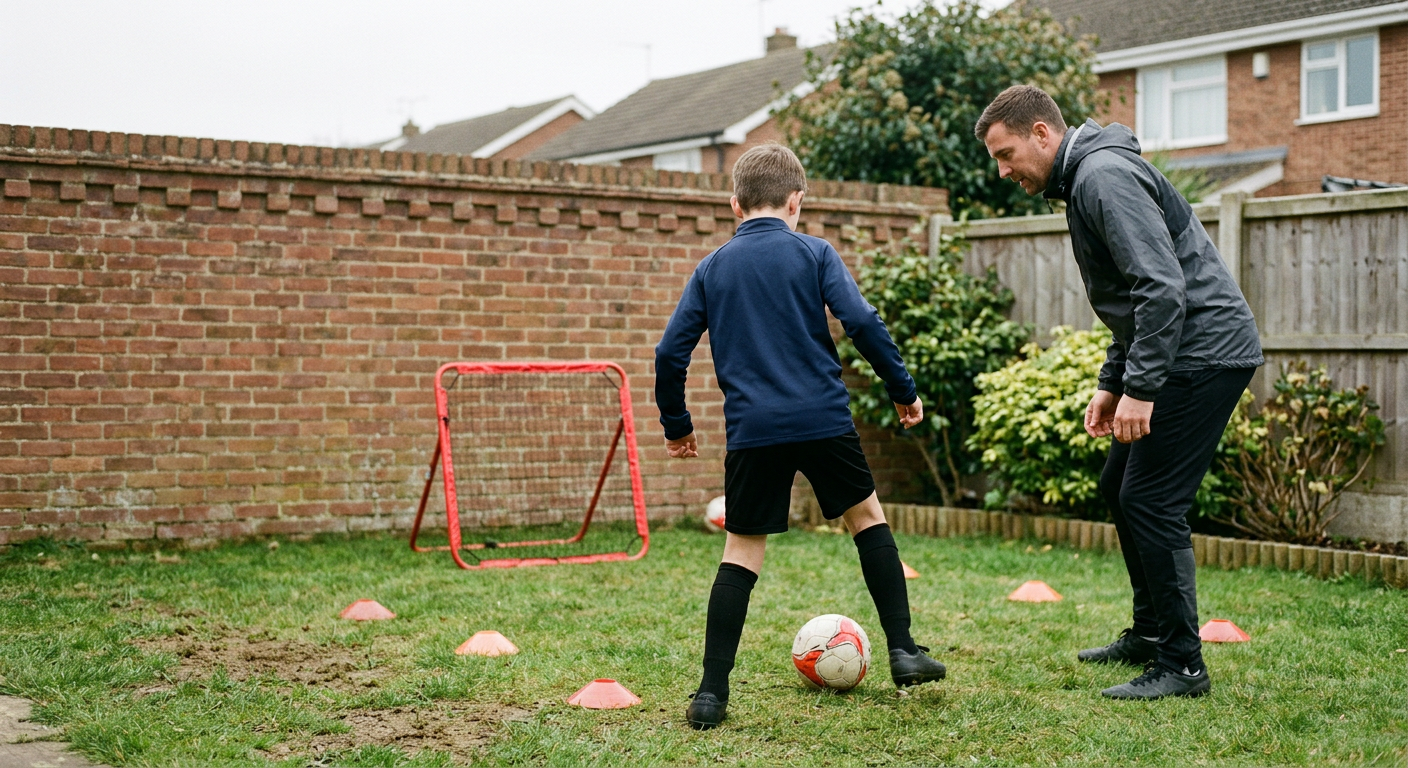
In a coaching environment, our role is to create a safe space for learning and growth. Here’s how we approach it at Pitch Ready:
- Praise Effort, Not Just Outcome: When a child tries a difficult skill and doesn't quite pull it off, focus on the attempt. "Great effort to try that turn!" rather than just waiting for perfection. This signals that trying is valued.
- "What Did You Learn?" Debriefs: Instead of dwelling on the error, immediately pivot to a learning question. "What could we do differently next time?" or "What did you notice about how that played out?" This shifts the focus from failure to problem-solving.
- Short Memory Philosophy: We encourage players to have a "short memory" for mistakes. The ball is gone, the moment passed – what's the next action? This helps them stay present in the game.
- Small Wins & Positive Reinforcement: Purposefully create scenarios during training where the player can succeed. This could be a drill where they excel, or a specific task they can accomplish. Success breeds confidence.
- Mistakes as Data Points: Explain that every mistake provides valuable information. It tells us what to work on, what to refine. It's not a sign of being "bad" at football, but a guide for improvement. Think of it like taking notes in school – you mark what you get wrong so you can study it.
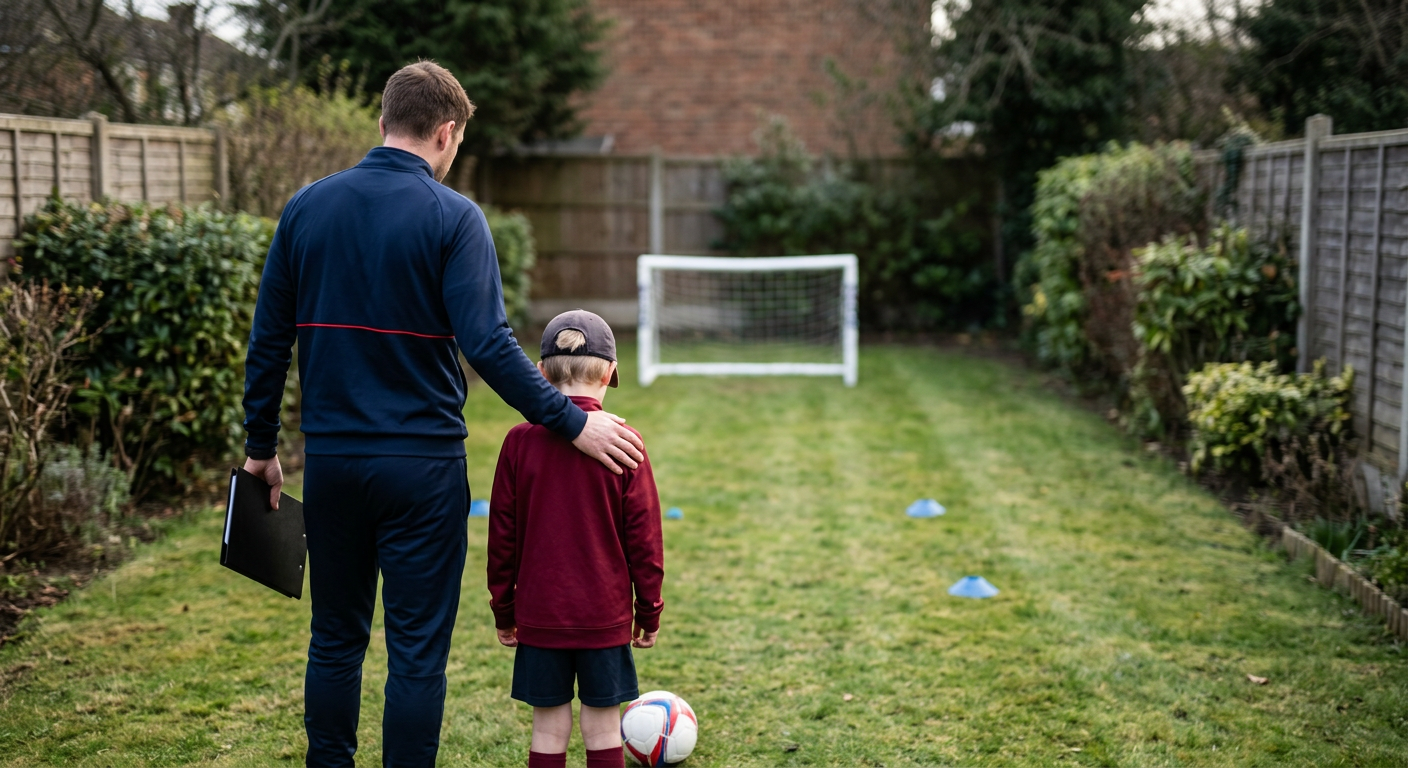
- One-to-One Support: For some children, a quiet word and individual feedback away from the group can be incredibly powerful. This is where dedicated sessions, like our Confidence Builder programme, can make a real difference, allowing us to drill down into specific emotional and technical hurdles.
What Parents Can Do Off The Pitch
Your role as a parent is invaluable in reinforcing these messages and complementing the coaching.
- "How was the game?" vs. "Did you win?": Shift the post-game conversation. Ask about their enjoyment, what they learned, or what they tried. De-emphasise results and highlight effort and contribution.
- Model Resilience: Share your own experiences of making mistakes and learning from them. Normalise the process of imperfect performance.
- Avoid Over-Coaching from the Sidelines: Let the coaches coach. Your encouragement is best delivered as general support and celebrating their involvement, rather than analysing every kick during the match.
- Focus on Process Goals: Instead of "score two goals," try "make five good passes" or "try that new skill I saw you practicing." These are within their control and build intrinsic motivation.
- Emphasise Fun: Remind them that football is a game. The primary purpose is enjoyment and friendship. When the pressure for perfection is eased, confidence often naturally returns.
Helping a child navigate the emotional rollercoaster of football, especially around mistakes, is a journey. It requires patience, consistency, and a unified approach from coaches and parents. By focusing on growth, learning, and framing errors as opportunities, we can help young players develop not just as footballers, but as resilient individuals ready to face challenges both on and off the pitch.
If your child is struggling with confidence after mistakes, a dedicated evaluation session can help us pinpoint specific areas for development and build a tailored plan.
Frequently asked questions
Written by
Founder and head coach at Pitch Ready Football. Alejandro runs one-to-one and small-group youth coaching sessions across North London, focused on ball mastery, confidence, and long-term development for children of all abilities.