On this page
For parents exploring how to prepare for football trials, here's what our Pitch Ready coaches suggest.
Trials are a specific test — and children who prepare for that specific test do better than children who just train harder. If your child has a trial coming up, this is what we do in the fortnight before in trial preparation sessions.
What trial coaches actually watch for
Body language in the first ten minutes. Communication. Willingness to press and track back. First touch under pressure. Whether the child does the simple things well before trying the flashy ones.
Two weeks out: technical sharpness
Focus on first touch, weak foot, and the simple pass. Trial coaches see 30 children — a clean, quick first touch stands out much faster than a stepover.
One week out: match minutes
One or two games in the week before the trial. Not full-on training every day — freshness matters.
Day of the trial
Arrive 30 minutes early. Warm up properly (not just standing around). Introduce your child to the coach with a handshake if it's appropriate. First impressions in trial environments are huge.
What to say beforehand — and what not to
Say: 'Enjoy it. Do what you always do.' Don't say: 'This is your one chance.' The child who plays free is the child who plays best.
Focusing on technical fundamentals
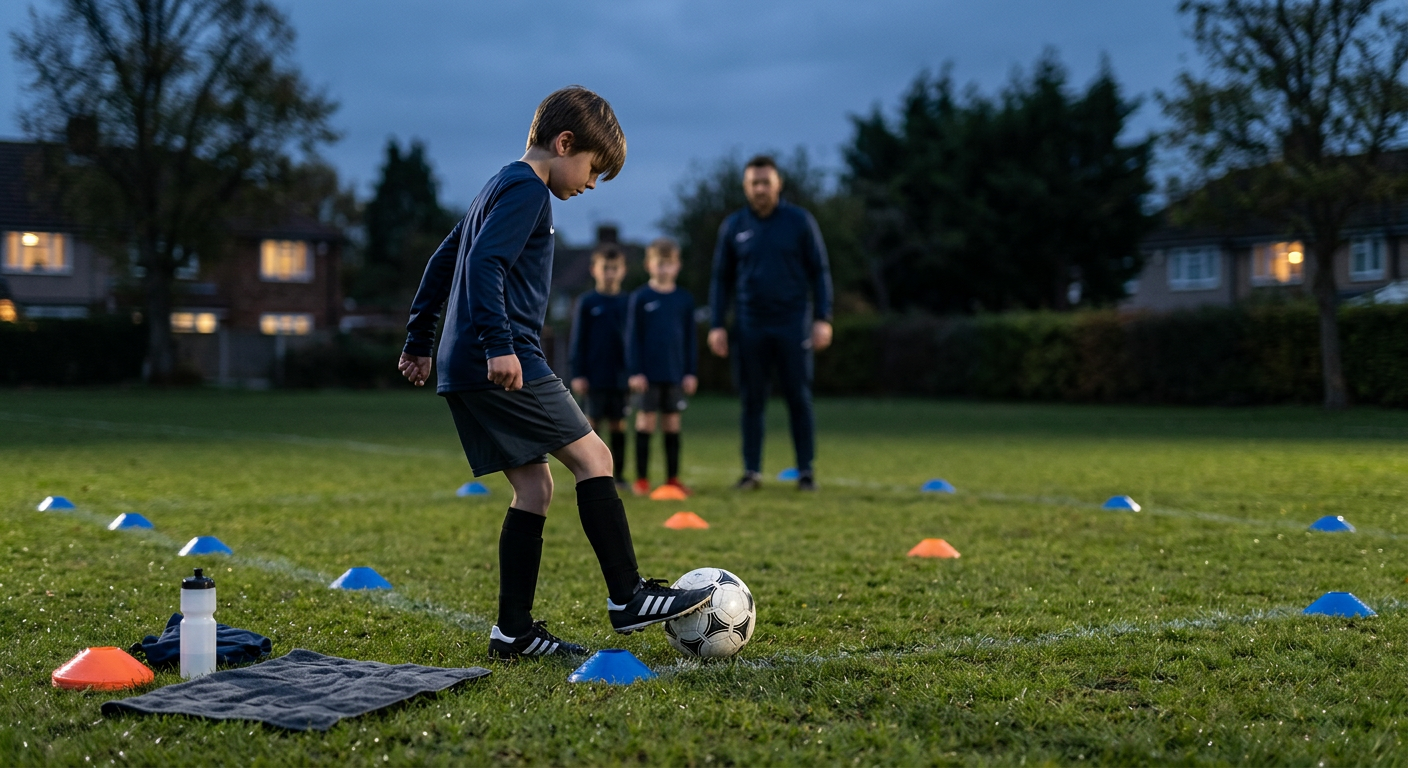
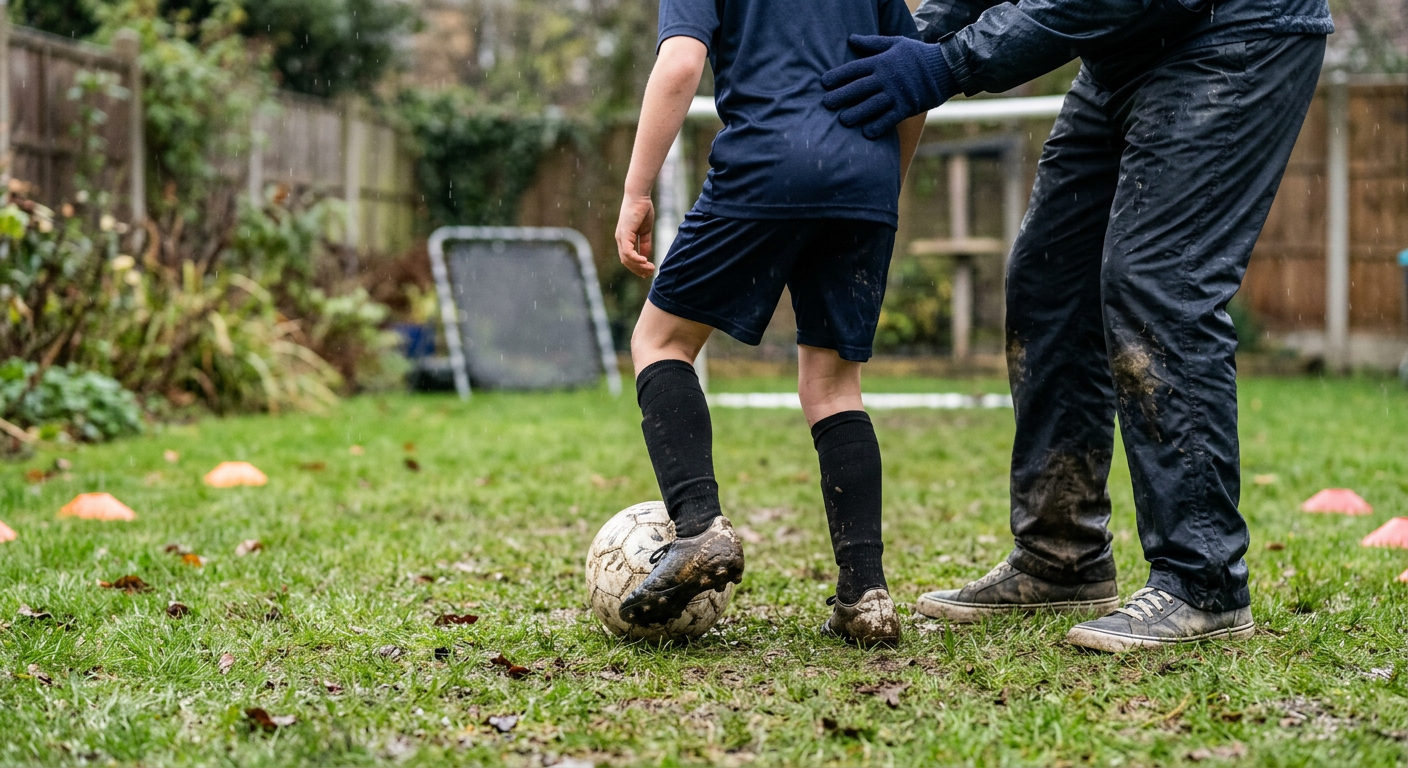
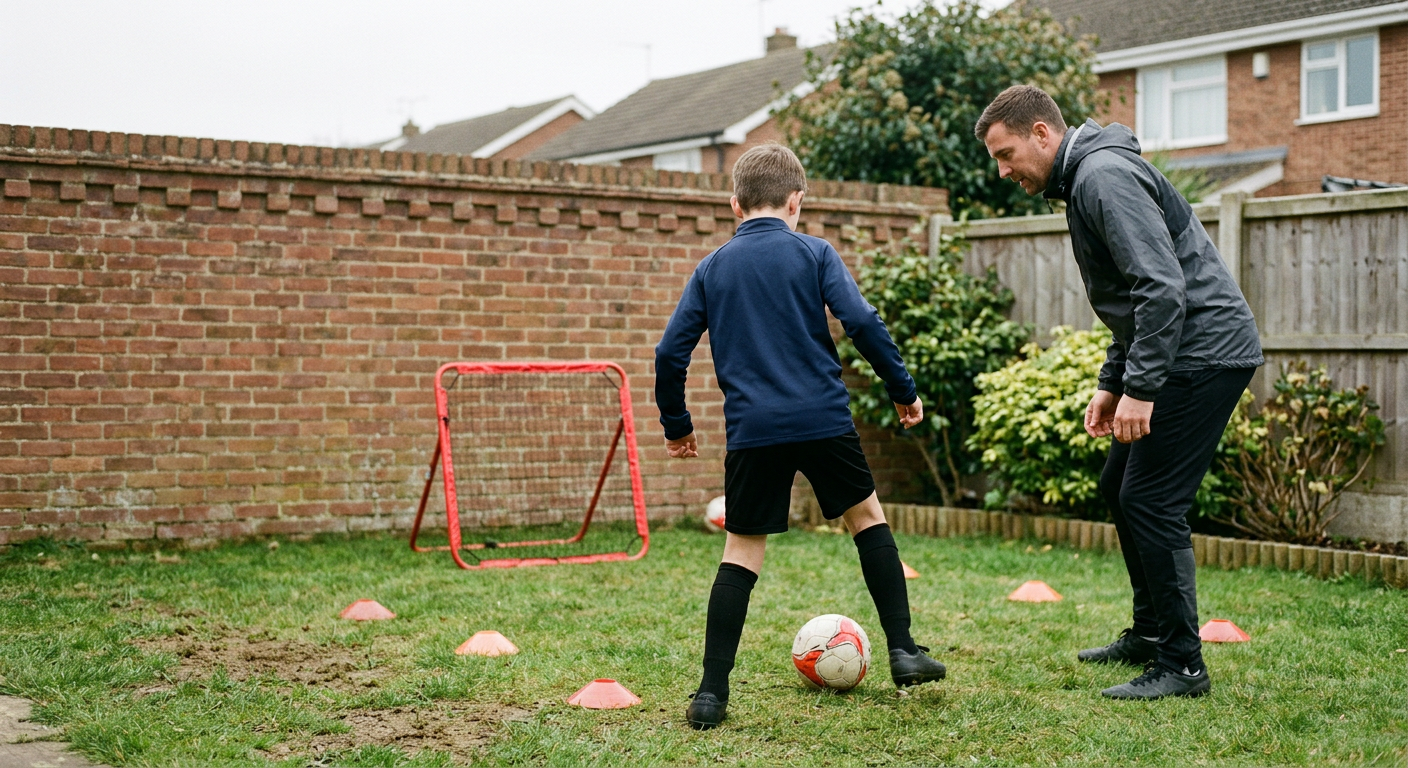
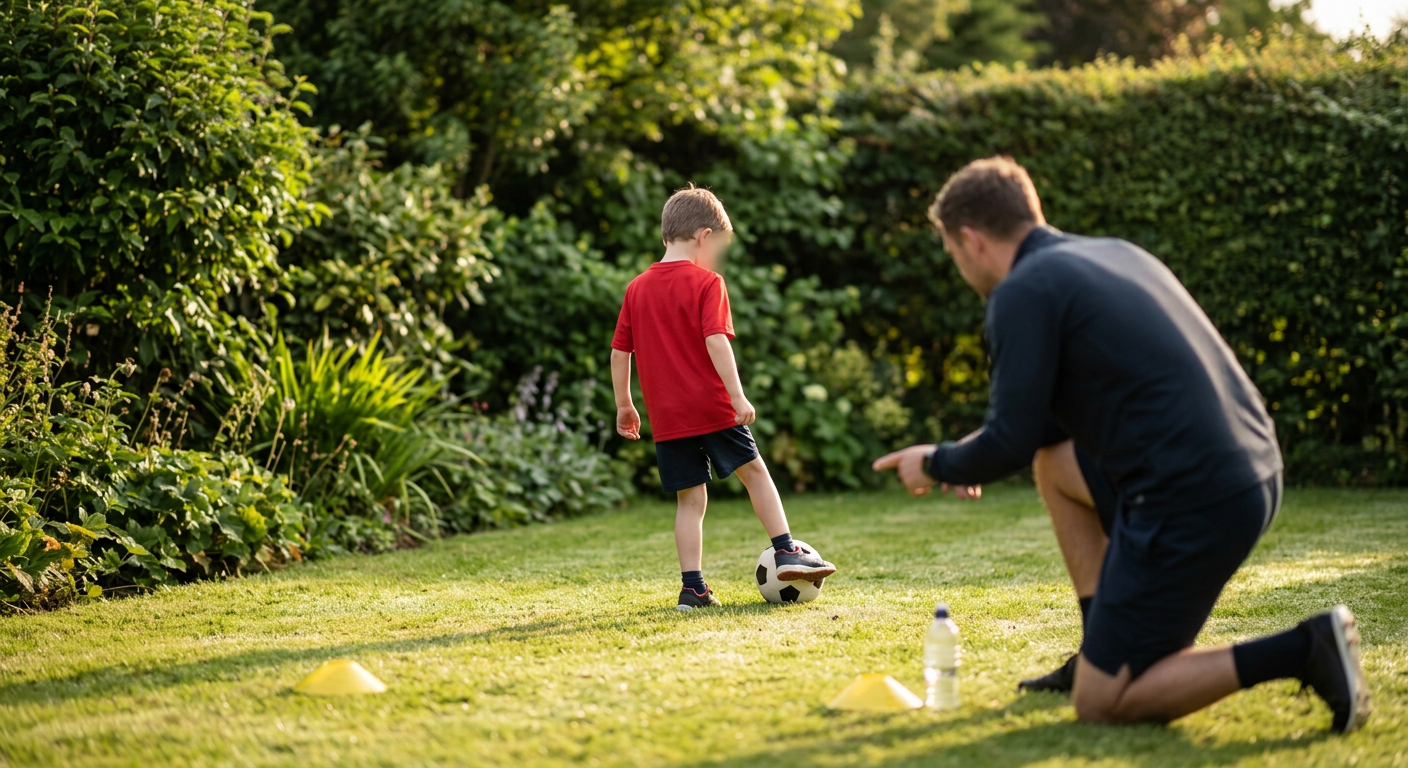
When a child arrives at a trial, the selectors often look for how comfortably they handle the ball under pressure. Mastery of the basics allows a player to keep their head up and make better decisions. To help your child prepare for football trials, encourage them to spend time at home working on their first touch and passing accuracy. Simple drills, such as passing against a wall using both feet or practising close-control dribbling around cones, can build the muscle memory required for the high-intensity environment of a trial.
Focusing on these core skills helps a young player feel more composed when the games begin. If they can control the ball instantly, they have more time to scan the pitch and find a teammate. Practice should be short but frequent. Aim for twenty minutes of dedicated technical work a day, focusing on using the weaker foot as much as the dominant one. This versatility is often noticed by academy staff and scouts during assessment games.
Providing the right support from the sidelines
The pressure of a trial can be significant for any child between the ages of 6 and 16. As a parent, your role is to provide a calm and supportive environment. Ensure they have a nutritious meal a few hours before the session and are fully hydrated. Checking that their boots are clean and their shin pads are comfortable can also remove small distractions that might affect their focus on the pitch.
During the trial itself, it is usually best to remain a quiet observer. Constant shouting or coaching from the touchline can confuse a child and prevent them from showing their own natural game. Evaluators are looking for players who can communicate with their teammates and solve problems independently. After the session, focus your conversation on their effort and enjoyment rather than the specific outcome. Maintaining a positive outlook helps them stay motivated for the next opportunity, regardless of the feedback they receive.
Ready to see this in a session?
If your child would benefit from focused 1-to-1 coaching, trial preparation coaching with Pitch Ready or get in touch to talk through what they need next.
Frequently asked questions
Written by
Founder and head coach at Pitch Ready Football. Alejandro runs one-to-one and small-group youth coaching sessions across North London, focused on ball mastery, confidence, and long-term development for children of all abilities.