On this page
Helping Your Child Overcome Fear of Tackling in Football
For parents exploring child scared of tackling football, here's what our Pitch Ready coaches suggest.
It's common for children, especially younger ones, to feel apprehensive about tackling in football. The idea of direct physical contact can be daunting, and as coaches, we often see players who are brilliant with the ball at their feet but shrink away when it comes to winning it back. This isn't a sign of weakness; it's a natural reaction, and with the right approach from parents and coaches, it's something that can be overcome.
Understanding the Root of the Fear
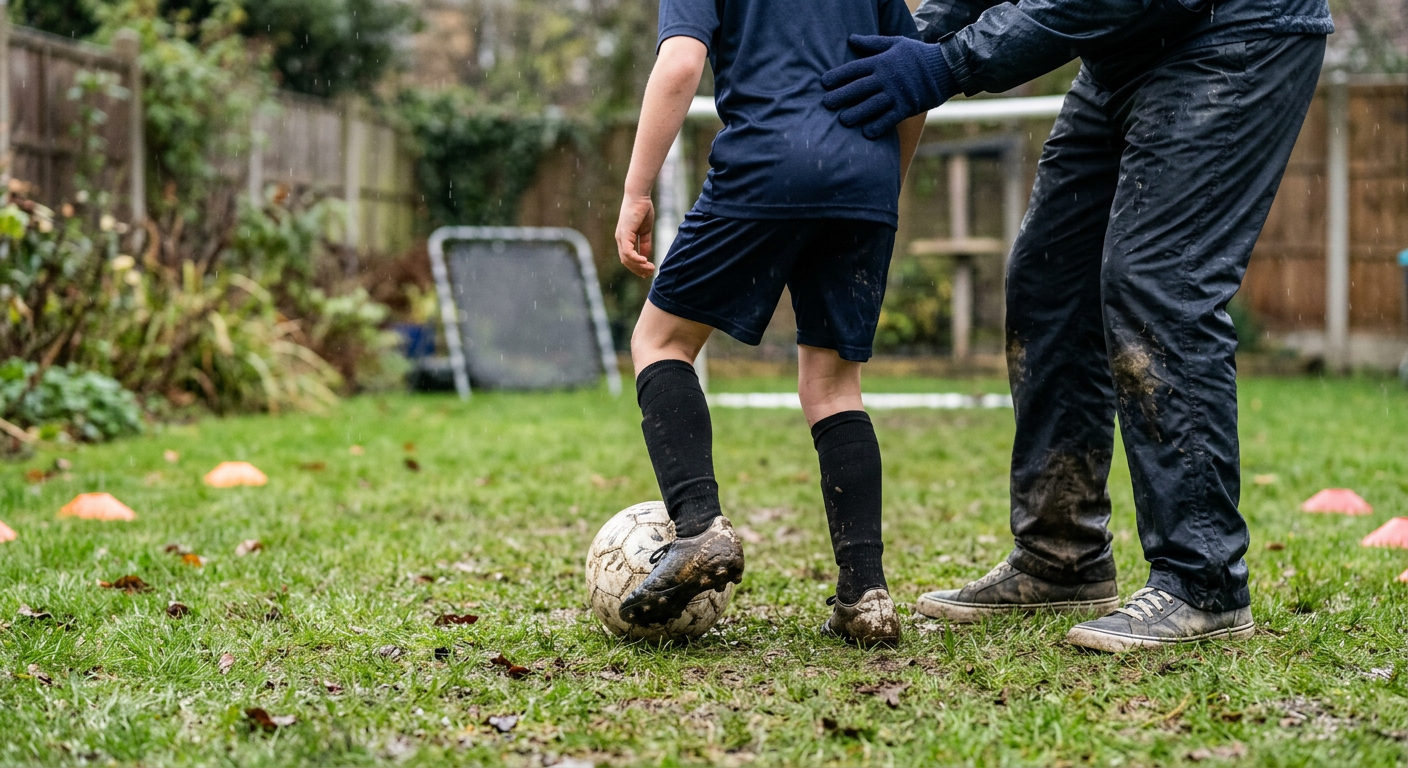
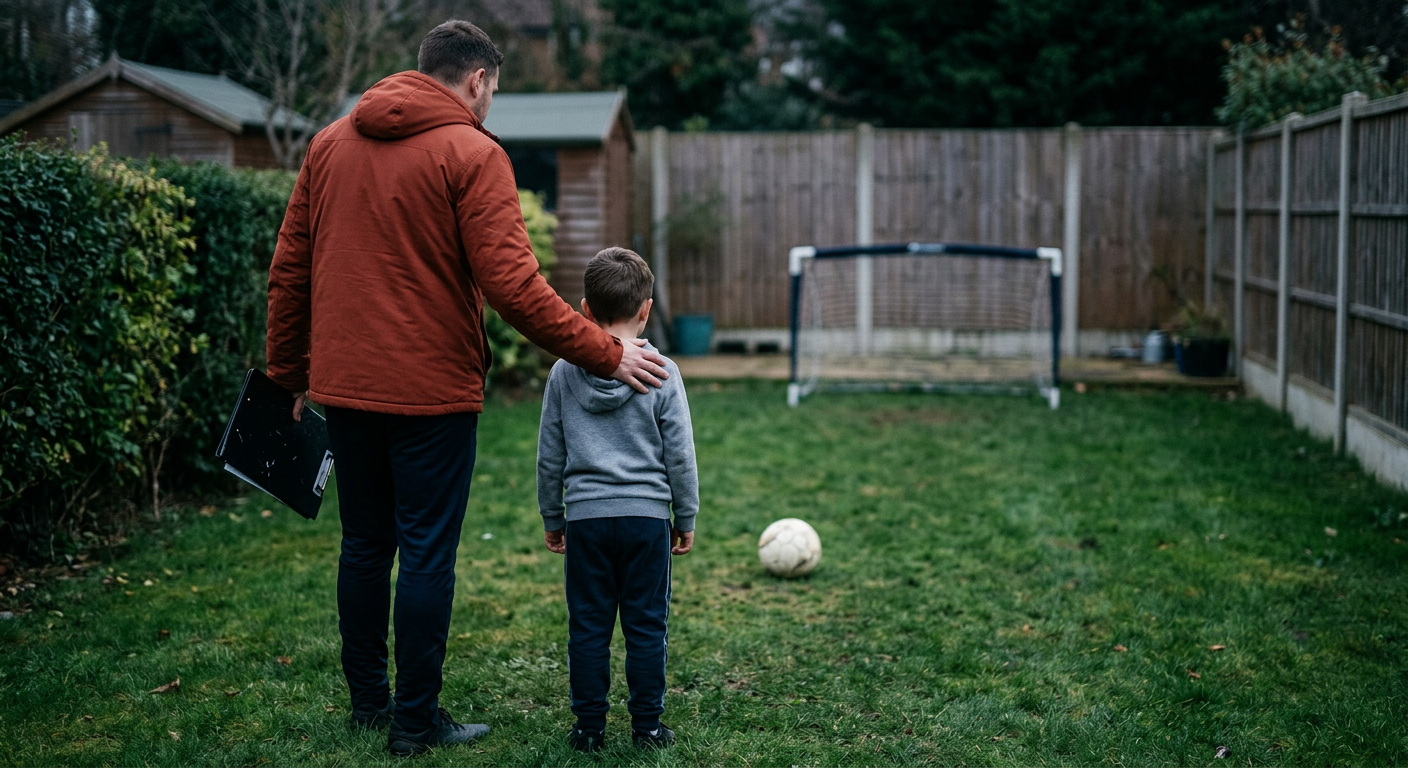
Before we can address the fear, it’s helpful to understand where it might be coming from. Is it a fear of getting hurt? Or perhaps a fear of failing, making a mistake, or even being perceived as aggressive? Children process these things differently. Some might have had a bad experience in the past – a bump, graze, or awkward fall. Others might simply lack the confidence in their technique or ability to stay on their feet. Observation is key here. Watch how your child reacts in different situations, and if possible, gently ask them how they feel.
Gradual Introduction to Contact
The key to building confidence in tackling is a gradual, progressive approach to contact. Throwing a child straight into full-contact drills when they're apprehensive will likely make things worse.
- Body Protection & Awareness: Start by focusing on body shape and protection without the ball. Play light contact games like 'bump off' where players try to gently nudge another player off balance using their shoulder, but without trying to win a ball. This teaches them how to absorb contact safely and stay strong on their feet.
- Shadow Tackling: Have them 'shadow tackle' you or another player. They practice the footwork and body position needed to approach and win the ball, but without actually making contact. This builds muscle memory and tactical understanding.
- Soft Tackles with a Small Ball: Introduce a very soft, lightweight ball (like a beach ball or foam ball). This reduces the perceived risk and allows them to practise the timing and technique of a gentle tackle without fear of injury.
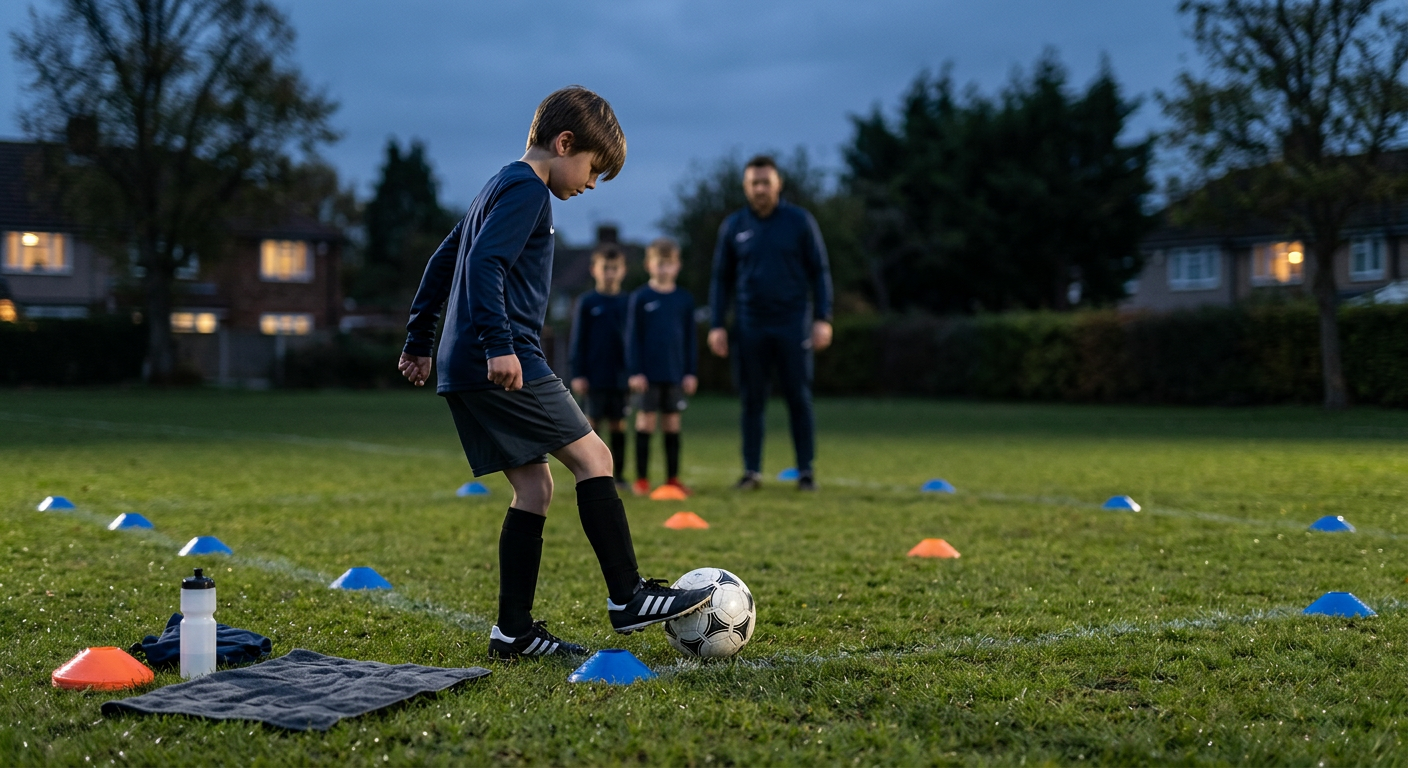
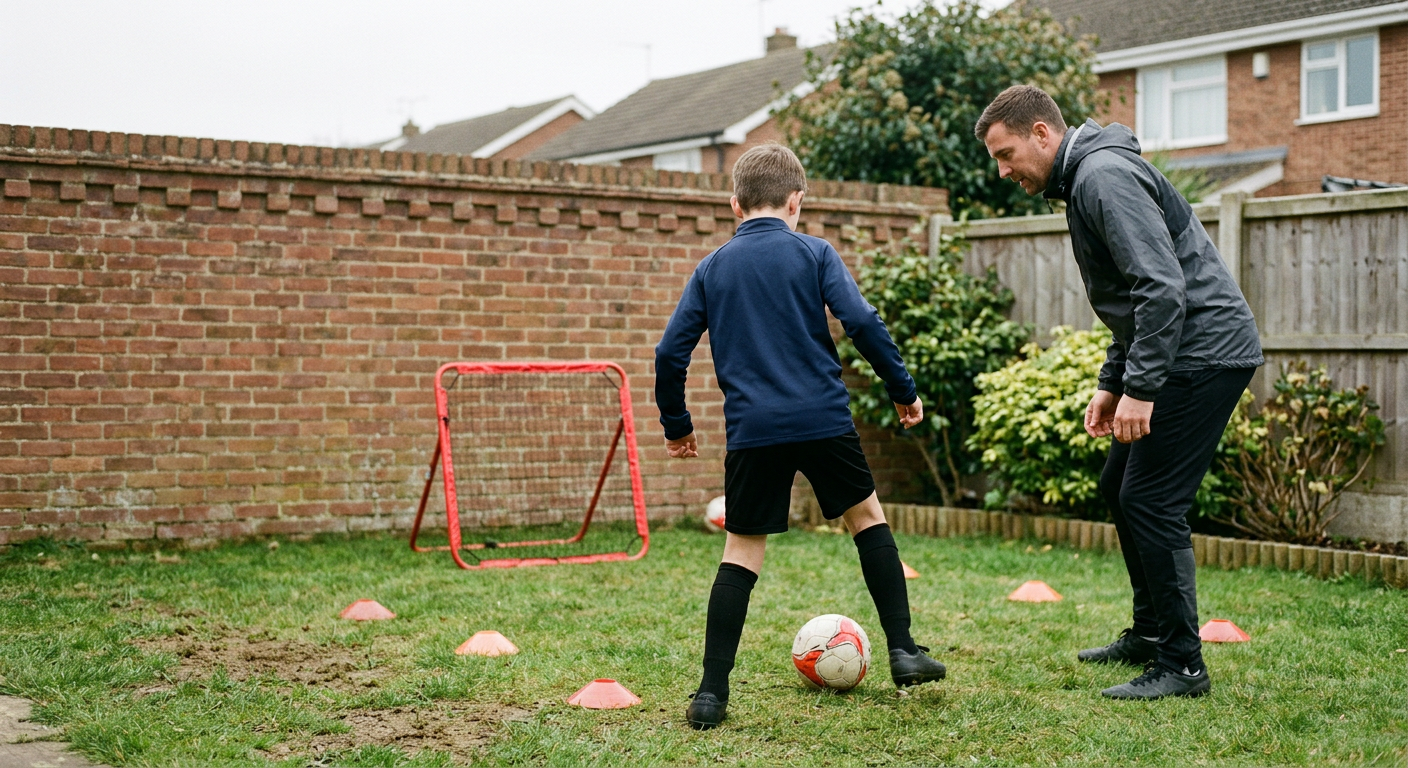
- One-on-One with a Coach: As they gain confidence, consider a dedicated 1-on-1 session focusing on defending and tackling coaching. A coach can provide a safe, controlled environment where the child can learn proper technique and build confidence with personalised feedback.
Focusing on Technique, Not Just Aggression
Many children (and parents) mistakenly believe that tackling is purely about aggression. In reality, effective tackling is about timing, body shape, footwork, and balance.
- Side-on Approach: Teach them to approach the attacker side-on, giving them a wider base and more control. This reduces the risk of head-on collisions.
- Low Centre of Gravity: Emphasise getting low, bending their knees, and staying balanced. This helps them maintain control and makes them harder to push off the ball.
- Foot Placement: Explain where to place their tackling foot – usually slightly behind or alongside the ball, driving through the middle of it, rather than just poking at it.
- Staying on Your Feet: Encourage them to try and stay on their feet as much as possible. A standing tackle is often safer and allows them to recover quicker than a sliding tackle, which should only be introduced much later.
Positive Reinforcement and Patience
Building confidence takes time. Celebrate every small step forward, whether it's getting closer to an opponent, making a good defensive block, or attempting a tackle, regardless of whether they win the ball.
- Praise Effort, Not Just Outcome: Focus your praise on the effort they put in and the technique they attempt, rather than just whether they won the ball. "Great body shape there!" or "You got really close to them, well done!" are more effective than "You didn't win it that time."
- Model Good Behaviour: When watching football, point out good defensive plays, strong challenges, and players who aren't afraid to put their body on the line safely.
- Be Patient: Don't push them too hard or compare them to other children. Every player develops at their own pace. If they're having an 'off day' or seem particularly apprehensive, allow them that space. The long-term goal is enjoyment and confidence, not forcing a tackle.
By breaking down the skill into manageable steps and focusing on technique in a supportive environment, your child can gradually overcome their apprehension and become a more effective and confident defender on the pitch.
If you're interested in exploring how targeted coaching can help your child develop their tackling skills in a supportive environment, consider booking an evaluation session with us to discuss their needs.
Frequently asked questions
Written by
Founder and head coach at Pitch Ready Football. Alejandro runs one-to-one and small-group youth coaching sessions across North London, focused on ball mastery, confidence, and long-term development for children of all abilities.