On this page
Choosing the Right Football Boots for Garden and Astro Pitches
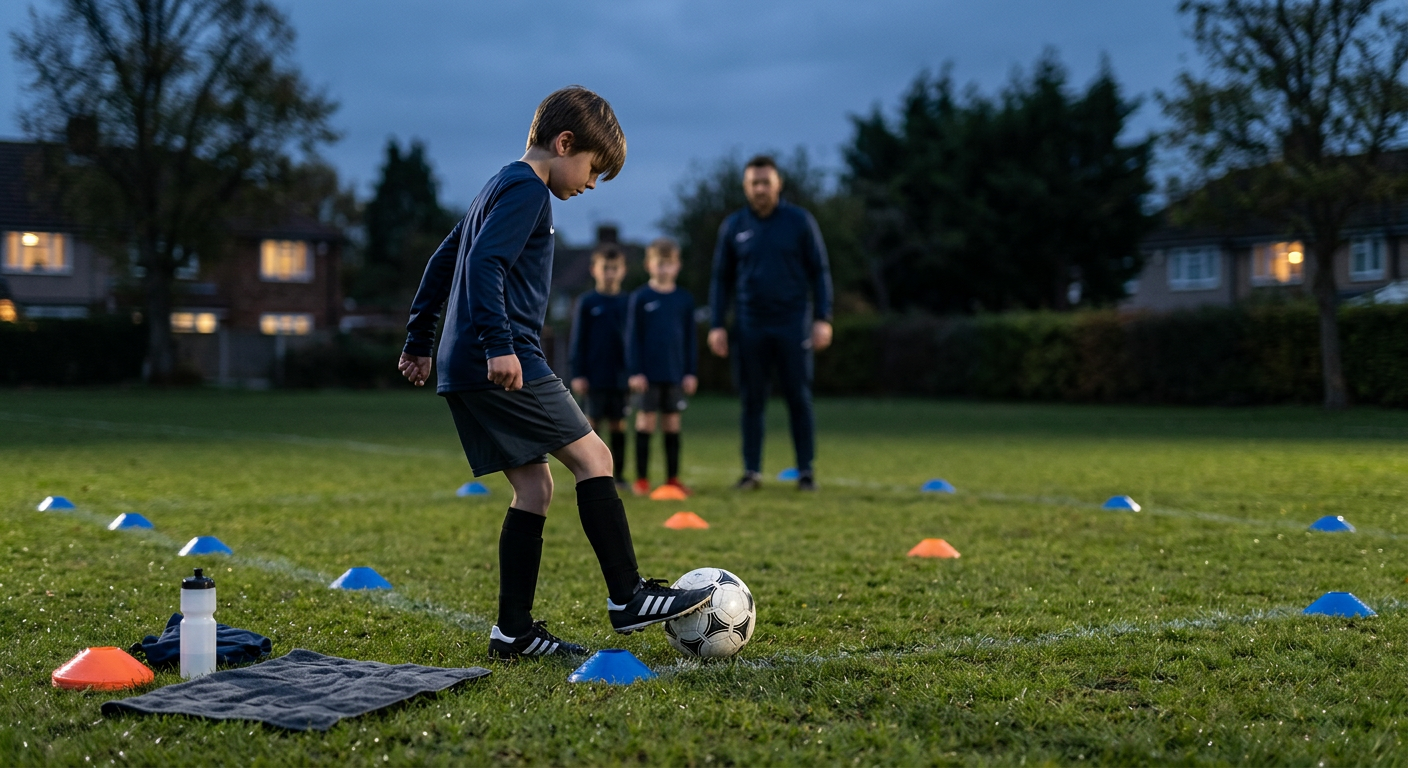
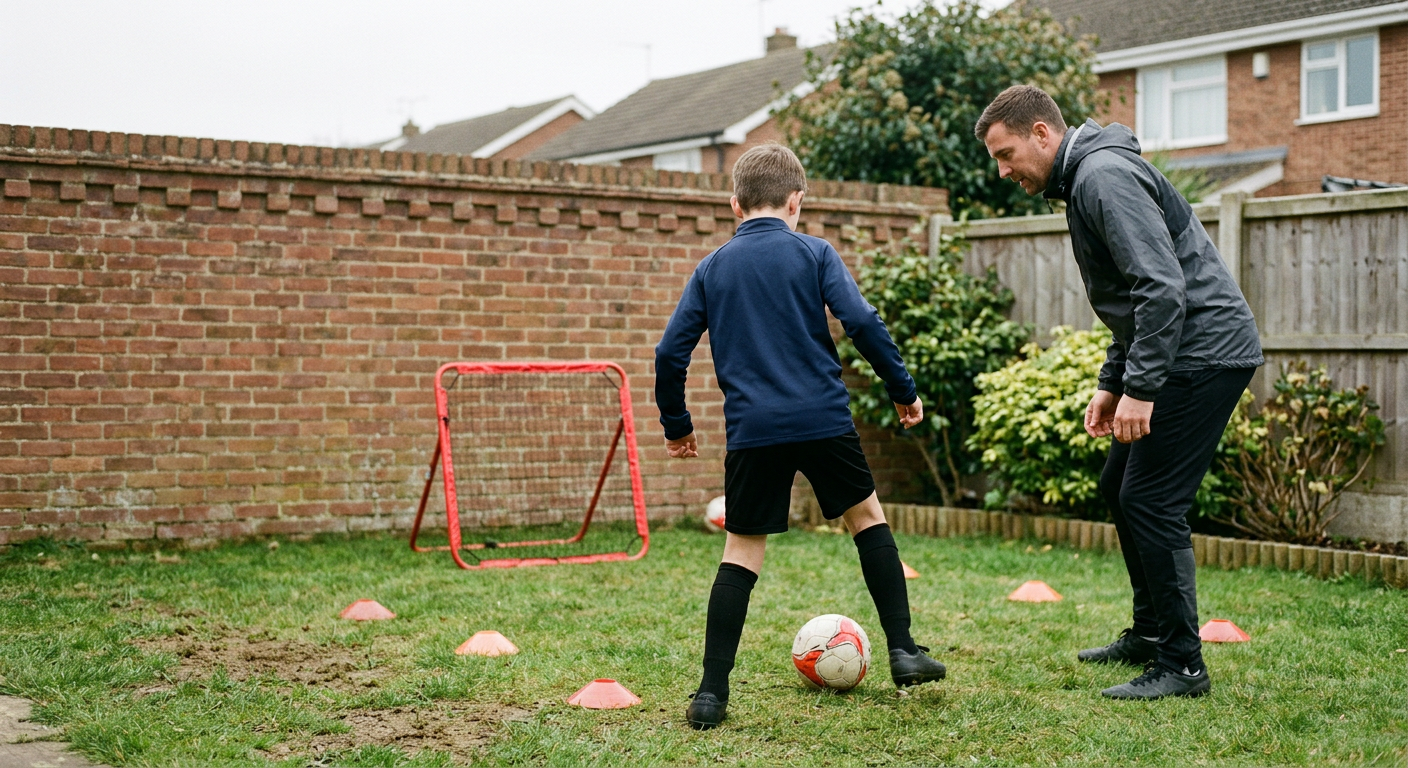
When your child is enjoying some football in the garden or taking part in a small-group session on an artificial pitch, it’s crucial they have the right footwear. Using incorrect boots, like firm-ground studs on astro, isn't just uncomfortable; it can be a real safety risk and even impact their development. This guide will help you understand the different types of boots suitable for these surfaces.
Understanding Surface Types
Before we delve into boots, let's clarify the surfaces we're talking about:
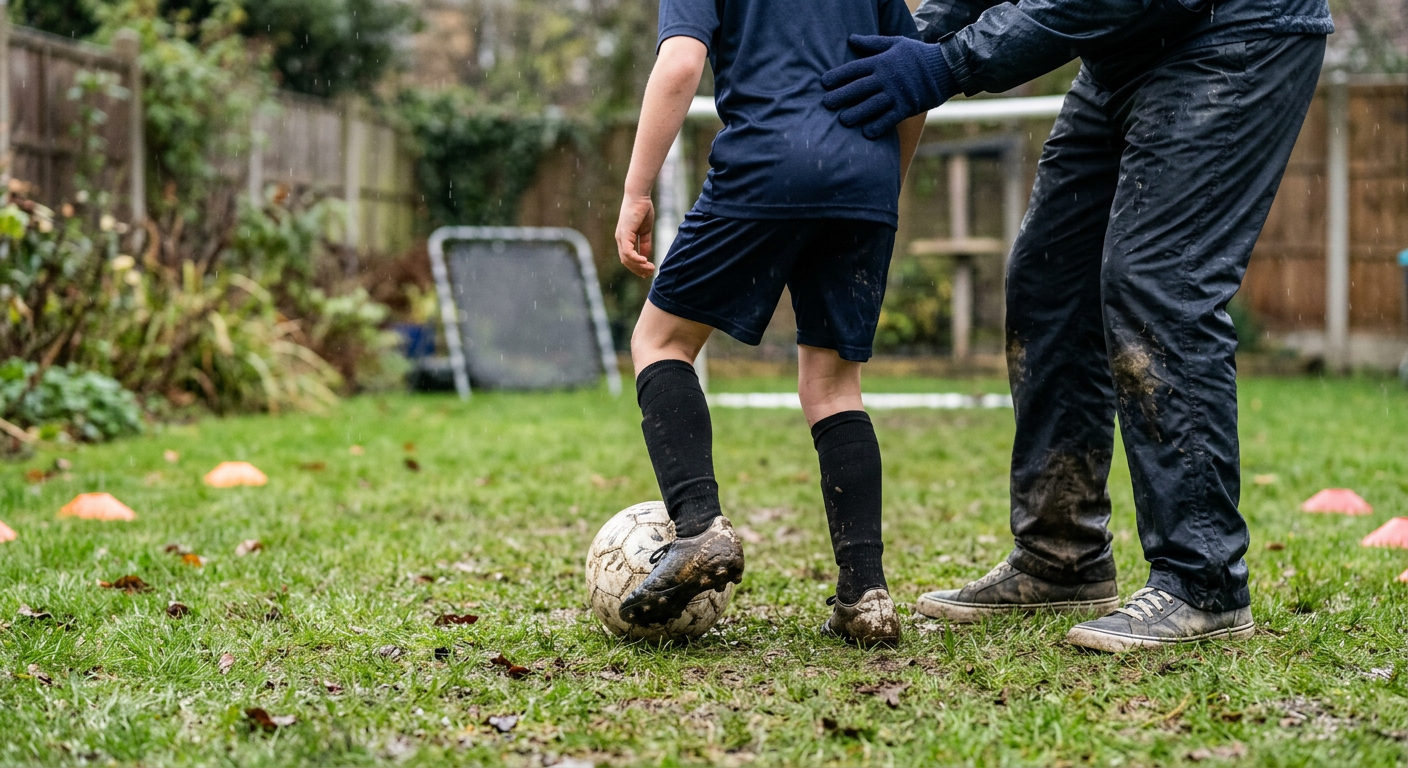
- Garden/Lawn (Natural Grass): This can vary from well-maintained, relatively firm lawns to softer, sometimes uneven, backyard patches. The key here is natural grass, which can become slippery when wet.
- Artificial Grass (AstroTurf/3G/4G): These are synthetic surfaces designed to mimic natural grass. They range from older, abrasive sand-filled "astro" to modern "3G" and "4G" pitches with rubber crumb infill. They are generally much harder and offer more consistent grip than natural grass. Modern 3G pitches are often found at facilities near areas like Enfield Chase and Winchmore Hill, where our sessions take place.
The Right Boots for Natural Grass Pitches (Your Garden)
For playing football on natural grass, even in your garden, you'll generally want boots designed for natural ground.
Firm Ground (FG) Boots
These are the most common type and a good all-rounder for typical British summer lawns or drier periods.
- Studs: Usually conical or bladed, made of hard plastic. They are fixed into the soleplate.
- Purpose: Designed to provide grip on firm, natural grass pitches without digging in too much.
- When to use: Ideal for general garden play when the grass isn't waterlogged. If your child is playing in the park or on a school field, these are usually suitable.
Soft Ground (SG) Boots
If your garden is often wet, muddy, or you're playing when the weather turns, soft ground boots might be necessary.
- Studs: Typically longer, metallic, and often removable. There are usually 6 studs, designed to penetrate soft, muddy ground.
- Purpose: To provide maximum traction on very wet or muddy natural grass, preventing slipping.
- When to use: Less common for casual garden play unless the conditions are consistently very heavy. Most children won't need these unless they're playing competitive matches on very boggy pitches.
The Right Boots for Artificial Grass Pitches (Astro)
This is where many parents make mistakes. Using FG studs on astro can cause knee and ankle injuries due to the studs "sticking" to the artificial surface rather than penetrating it.
Artificial Ground (AG) Boots
These are specifically designed for modern 3G and 4G artificial pitches with rubber crumb.
- Studs: Numerous, shorter, hollow, and often conical or cylindrical plastic studs. They are designed for rotation and reduced pressure on joints.
- Purpose: To offer optimal grip while allowing safe rotation on artificial turf, reducing the risk of injury.
- When to use: Essential for training and matches on modern artificial pitches like those used for our small group and beginner football coaching sessions.
Astro Turf (TF) Boots
Also known as "turf trainers," these are excellent for older, sand-based astro pitches, hard grounds, or even very short-pile artificial grass.
- Sole: Features a large number of very small rubber studs or pimples across the entire sole.
- Purpose: Provides good multi-directional grip and cushioning on harder, less forgiving artificial surfaces. They distribute pressure evenly.
- When to use: Great for older astro pitches, general training on harder artificial surfaces, or as a very versatile option if your child plays on various artificial pitches and some very firm natural ground. Our coaches often wear these for comfortable training on different surfaces around Enfield.
Key Considerations When Buying
- Safety First: This is paramount. The wrong boots can lead to friction burns, blisters, and serious joint injuries. Never use FG boots on 3G/4G pitches.
- Comfort and Fit: Always ensure boots fit well. They should be snug but not tight, with about a thumb's width space at the toe. Get your child to try them on with their usual football socks.
- Durability: Children grow quickly, but a decent pair will last longer and protect their feet better.
- Budget: You don't need top-of-the-range boots for garden play or beginner sessions. Mid-range options often offer excellent value and all the necessary features.
Choosing the correct football boots for garden kickabouts and astro sessions is a straightforward but important decision. By understanding the surface and the specific boot types, you can ensure your child stays safe, comfortable, and performs their best.
If you're unsure what boots might be best for your child's specific needs, especially for children starting out, consider booking an _evaluation_ with us. We can offer personalised advice as part of assessing their overall game.
Frequently asked questions
Written by
Founder and head coach at Pitch Ready Football. Alejandro runs one-to-one and small-group youth coaching sessions across North London, focused on ball mastery, confidence, and long-term development for children of all abilities.