On this page
Nurturing Young Talent: Supporting Football Development Without The Pressure
For parents exploring supporting child football development, here's what our Pitch Ready coaches suggest.
As parents, we want to see our children thrive, especially in something they're passionate about like football. It’s natural to want to help them improve, but there's a fine line between encouragement and pressure. Here at Pitch Ready Football, based in Enfield, we often see the positive impact engaged parents have, but also the pitfalls of over-enthusiasm. The key is to create an environment that fosters genuine love for the game, leading to sustained development and enjoyment.
The Pitfalls of "Over-Parenting" on the Sidelines
We’ve all seen them – the parents shouting instructions from the touchline, criticising referees, or dissecting every pass in the car on the way home. While well-intentioned, this rarely helps, and often hinders. Children, especially younger ones, are often in a 'discovery' phase of their football journey. Constant feedback, even if positive, can make them self-conscious, afraid to make mistakes, and ultimately, drain the fun out of playing.
Their focus should be on problem-solving during the game, not on remembering what Dad told them to do last Tuesday. This kind of pressure can lead to burnout, anxiety, and in some cases, kids giving up the sport altogether.
Providing the Right Environment for Growth
So, what can you do? The most impactful support often comes off the pitch.
- Be a Positive Role Model: Your behaviour at games sets an example. Applaud good play from both teams, respect officials, and cheer for effort over outcome. This teaches sportsmanship and enjoyment.
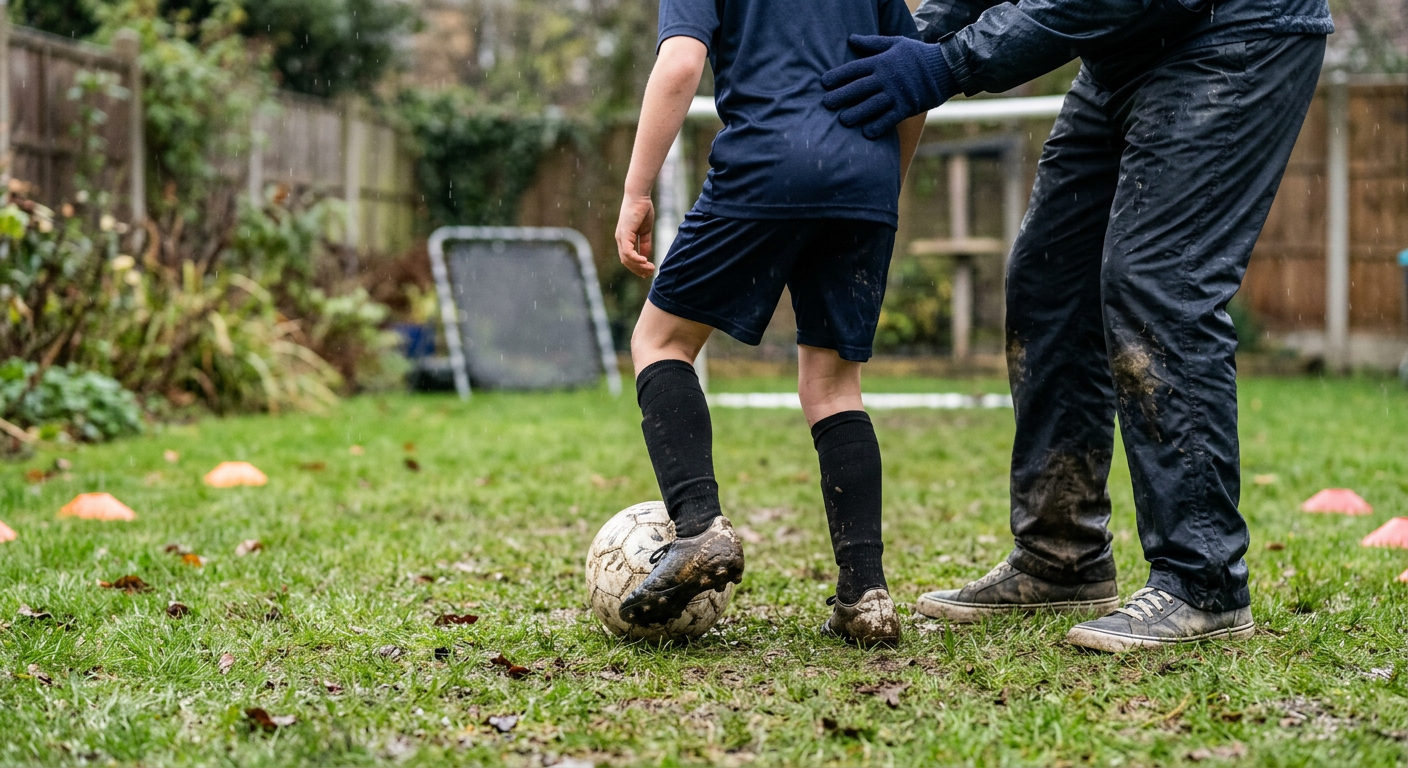
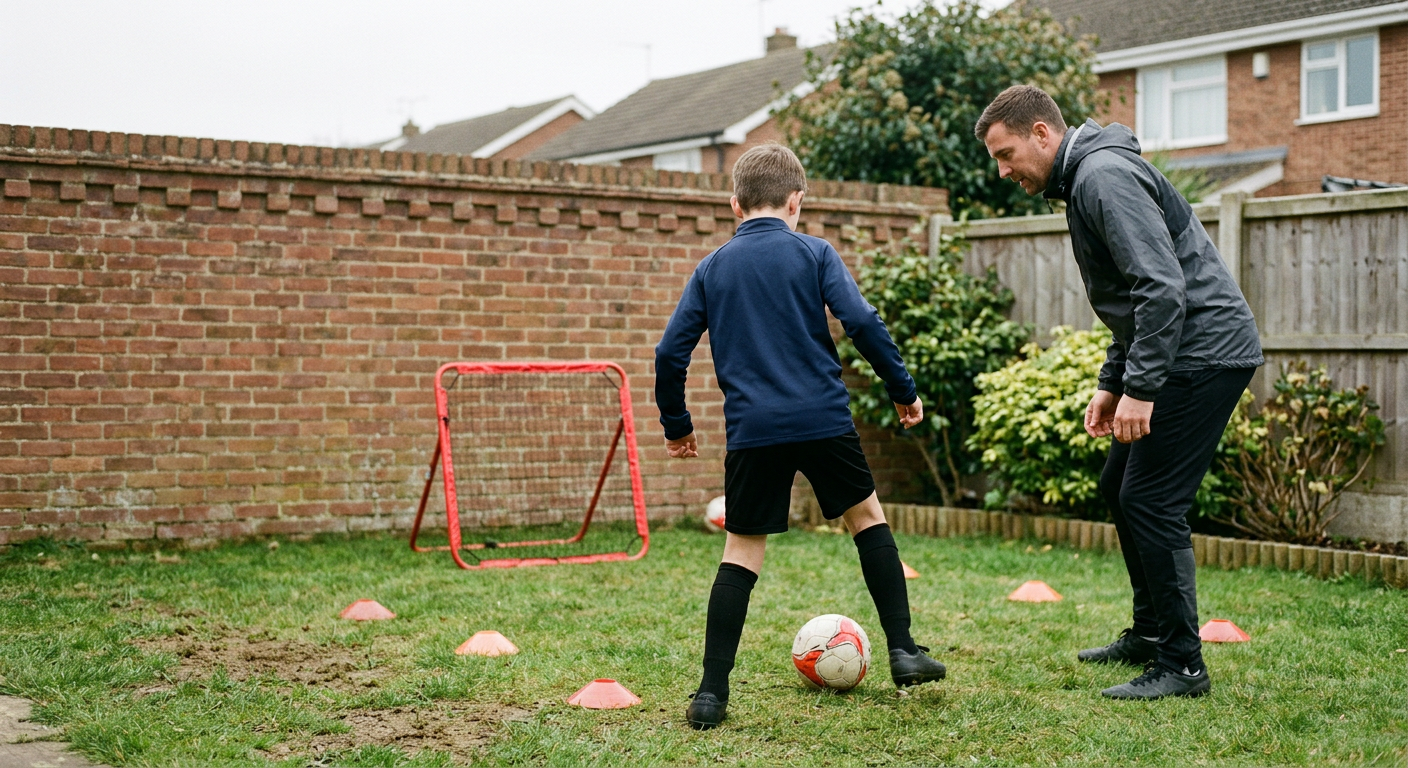
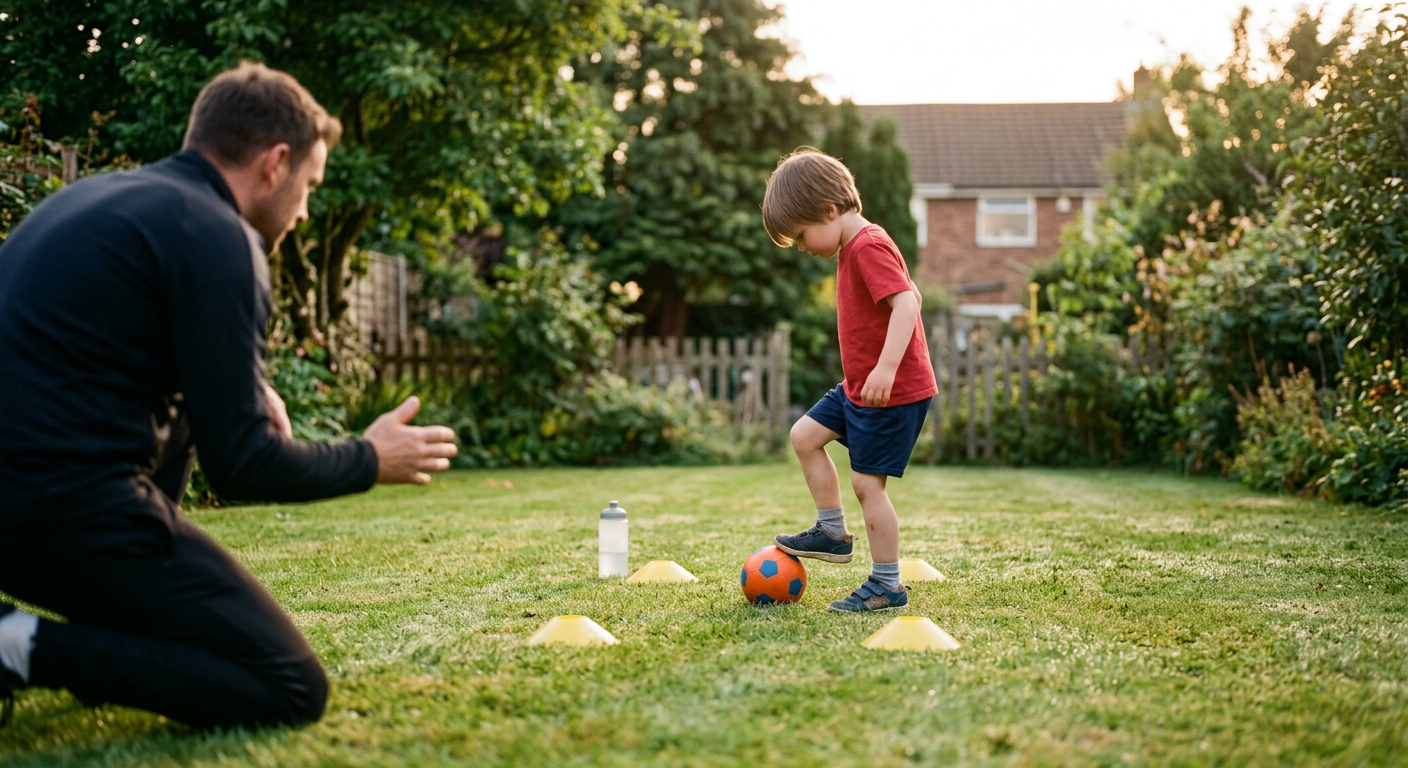
- Encourage Free Play: Organise kickabouts in the park (Trent Park, for example, offers great open spaces) with friends, or even just in the garden. This is where creativity flourishes, without the structured demands of training or matches. Let them experiment, try new things, and just play for the sheer joy of it.
- Focus on Effort, Not Just Results: Instead of "Did you win?" ask "Did you try your best?" or "What was the most fun part of the game?" This shifts the focus from winning (which is often out of their control) to their own performance and enjoyment.
- Listen More, Talk Less: After a game or training session, rather than immediately offering critiques, ask open-ended questions like, "What did you learn today?" or "What did you think went well?" Give them space to process their own experience.
- Support Their Coach: Trust the coaching process. If you have concerns, address them privately and constructively with the coach, rather than undermining them in front of your child. Consistency in messaging between home and training is crucial.
- Practical Support: Ensure they have the right kit, balanced nutrition, and enough rest. Having their boots cleaned or a healthy snack ready after training shows you care in a practical, non-pressurising way.
- Celebrate Small Victories: It could be a brave tackle, a new skill attempted, or showing good teamwork. Acknowledging these moments reinforces positive behaviours without fixating on goals or assists.
Recognising When External Guidance Can Help
Sometimes, a child shows a real desire to improve specific aspects of their game. This is where professional 1-to-1 or small group coaching can be hugely beneficial. It offers a structured environment for skill development, tailored to their individual needs, often without the pressure of a team setting. It’s about building confidence and technical ability in a supportive space. If you're wondering if your child might benefit from a more personalised approach to their football development, consider our free football coaching assessment to explore their potential and areas for growth in a no-pressure environment.
Ultimately, young footballers need space to grow, experiment, and make mistakes. Your role as a parent is to provide encouragement, a positive environment, and logistical support, allowing their love for the game to flourish naturally.
If you believe your child could benefit from a structured, yet supportive, environment to develop their football skills, we encourage you to book an evaluation session with us to discuss their specific needs and goals.
Frequently asked questions
Written by
Founder and head coach at Pitch Ready Football. Alejandro runs one-to-one and small-group youth coaching sessions across North London, focused on ball mastery, confidence, and long-term development for children of all abilities.