On this page
Enfield parents ask us this often, especially around under-9 to under-12. The short version: they solve different problems, and the best answer for most families involves a bit of both. Here's the honest breakdown.
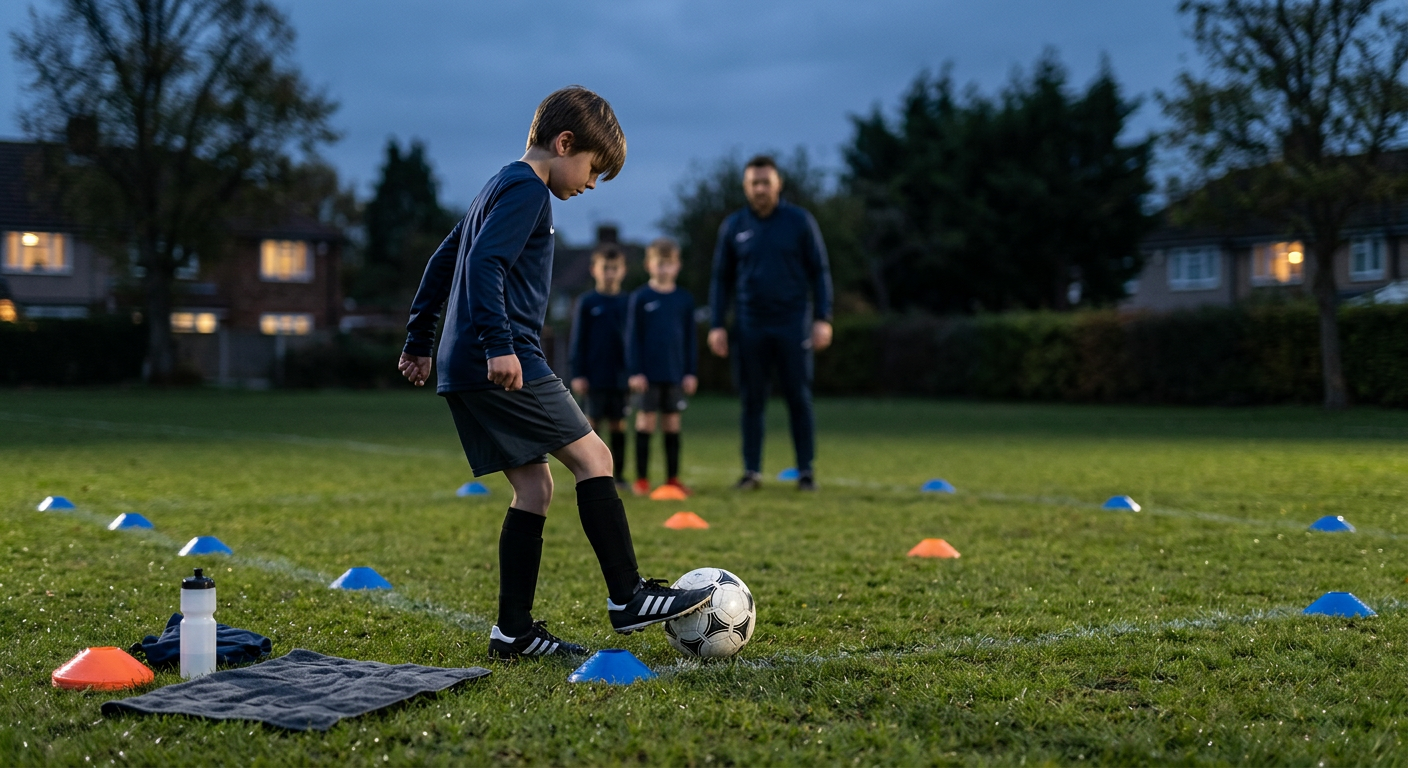
Academy sessions: what they give you
Team environment, exposure to higher-level coaches, structured curriculum, and — for the right child — a real development pathway.
Academy sessions: the trade-offs
Group ratios (usually 1:8 to 1:12), a lot of travel, limited personal feedback, and pressure to fit the child to the programme rather than the other way around.
Home 1-to-1 coaching: what it gives you
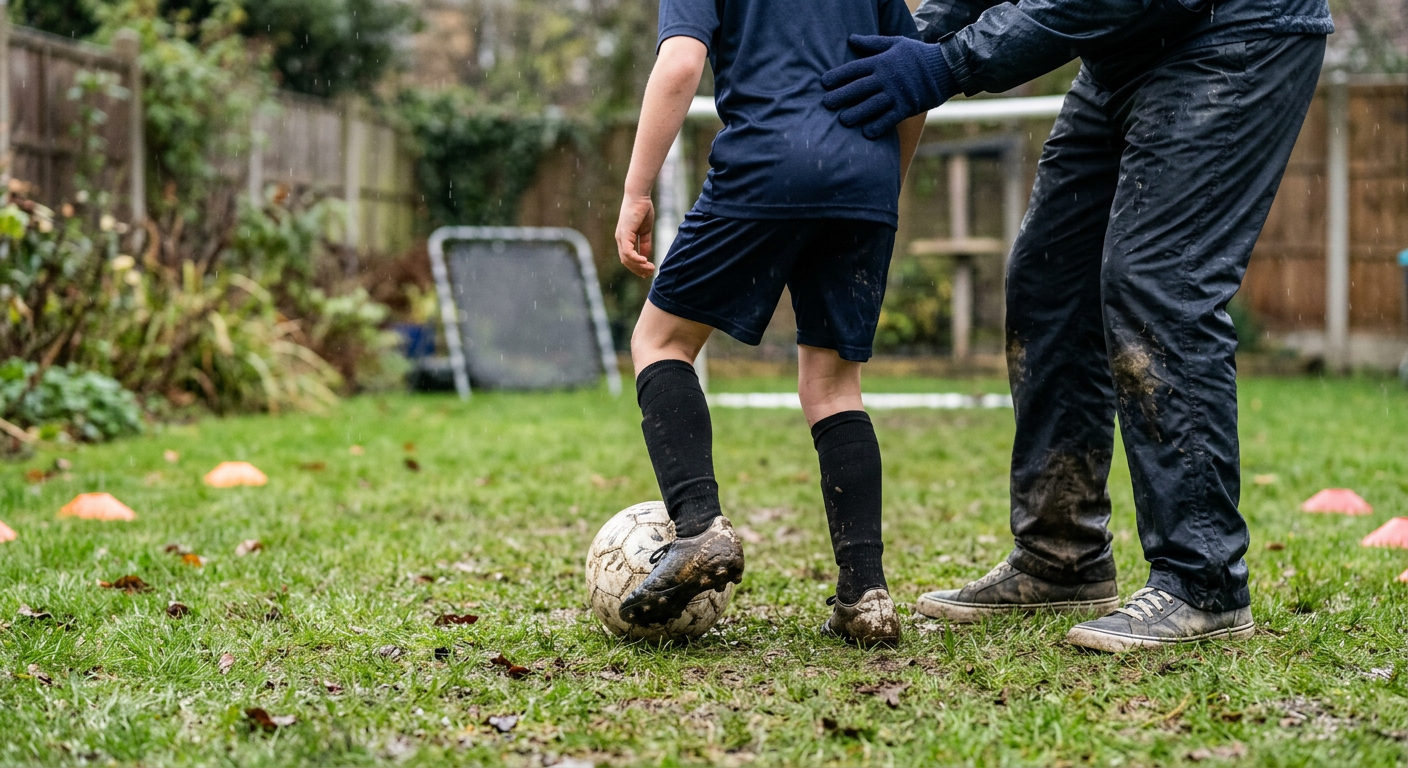
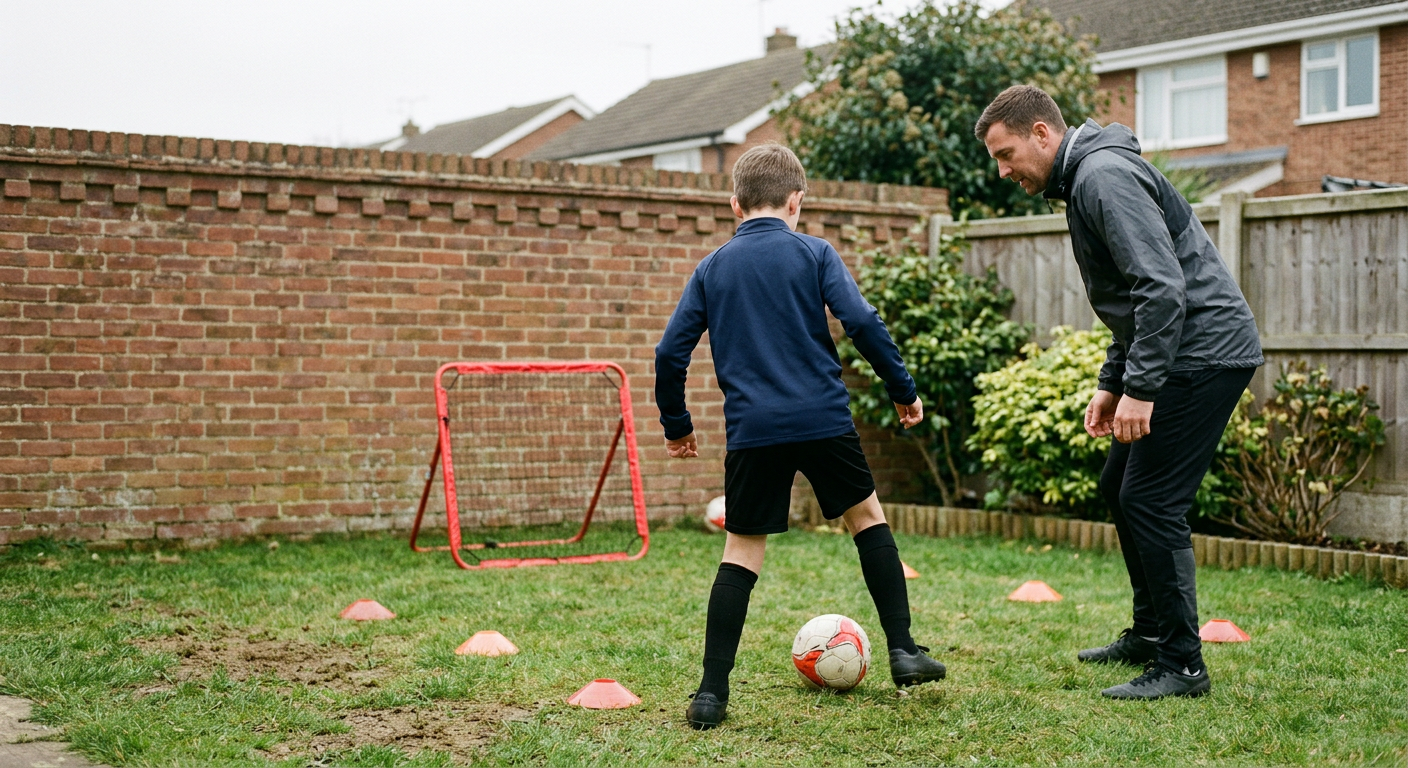
Every rep with a coach watching. Sessions built around your child's actual needs. Zero travel. The garden feels safe, which changes how much a child dares to try.
Home 1-to-1 coaching: the trade-offs
No teammates in the session. Less of a 'production line' feel. Doesn't replace match minutes — you still need a grassroots team.
Which fits which child
Academy suits confident, technically ahead children who thrive in groups. Home 1-to-1 suits kids who need targeted work — confidence, weak foot, first touch, trial prep — or who just get more out of quiet, focused time. Many of our players do both.
How our sessions help build confidence
When comparing home football coaching vs academy sessions, the setting plays a significant role in how a child develops. Academy environments are designed for group drills and tactical structure. While these are important for team play, a child can sometimes get lost in the crowd or feel hesitant to try new skills in front of teammates and coaches.
At Pitch Ready Football, our one-to-one sessions in Enfield provide a low-pressure environment where players can focus entirely on their own technique. We spend time on the specific areas that team coaches often cannot address during a sixty-minute squad session. This might include refining a child's first touch, improving their weaker foot, or working on balance and coordination. By focusing on these individual details, we help children feel more comfortable with the ball at their feet when they return to their club or academy environment.
What to practise at home
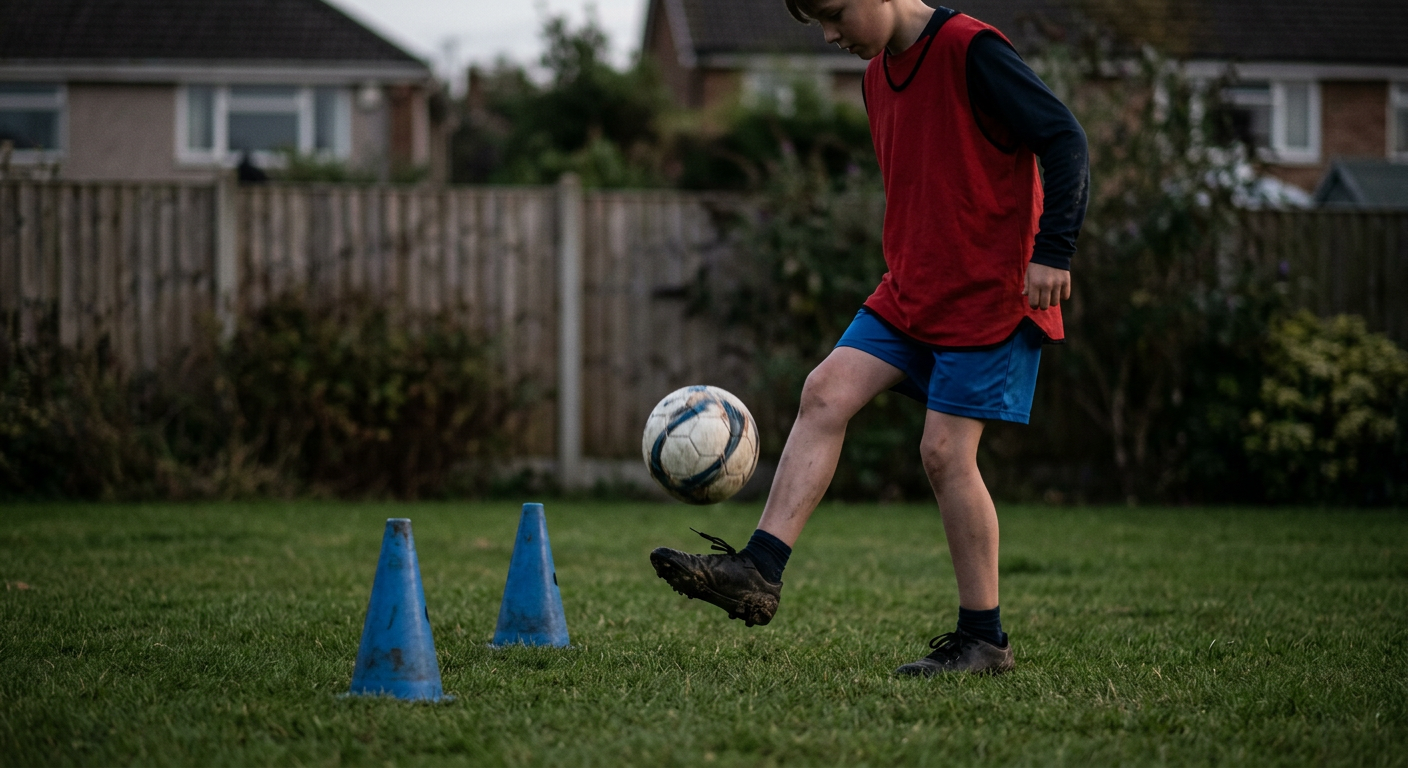
The work done between coaching sessions is just as important as the time spent with a trainer. To support your child's progress, focus on activities that maximise the number of touches they get on the ball. This does not require a full pitch or expensive equipment. A small garden or a local park in Enfield is more than enough space for effective practice.
Encourage your child to spend ten minutes a day working against a wall. Using a wall to practice passing and receiving helps develop a rhythmic first touch and improves reactions. You can also set up narrow gates using cones or jumpers to help them practice close-control dribbling. These simple, repetitive movements build muscle memory and fundamental ball mastery. Consistency is the primary factor in steady improvement. Encouraging a short, daily routine helps a young player become more familiar with the ball in a relaxed, familiar setting away from the pressure of formal matches.
Ready to see this in a session?
If your child would benefit from focused 1-to-1 coaching, trial preparation coaching with Pitch Ready or get in touch to talk through what they need next.
Frequently asked questions
Written by
Founder and head coach at Pitch Ready Football. Alejandro runs one-to-one and small-group youth coaching sessions across North London, focused on ball mastery, confidence, and long-term development for children of all abilities.