On this page
For parents exploring game intelligence for children football, here's what our Pitch Ready coaches suggest.
Game intelligence is trainable — it's not something children are born with. It's mostly about scanning, pattern recognition, and knowing what to do before the ball arrives. We build it into every session across our game intelligence coaching, and here's the plain-English version parents can start at home.
Step 1: The scan habit
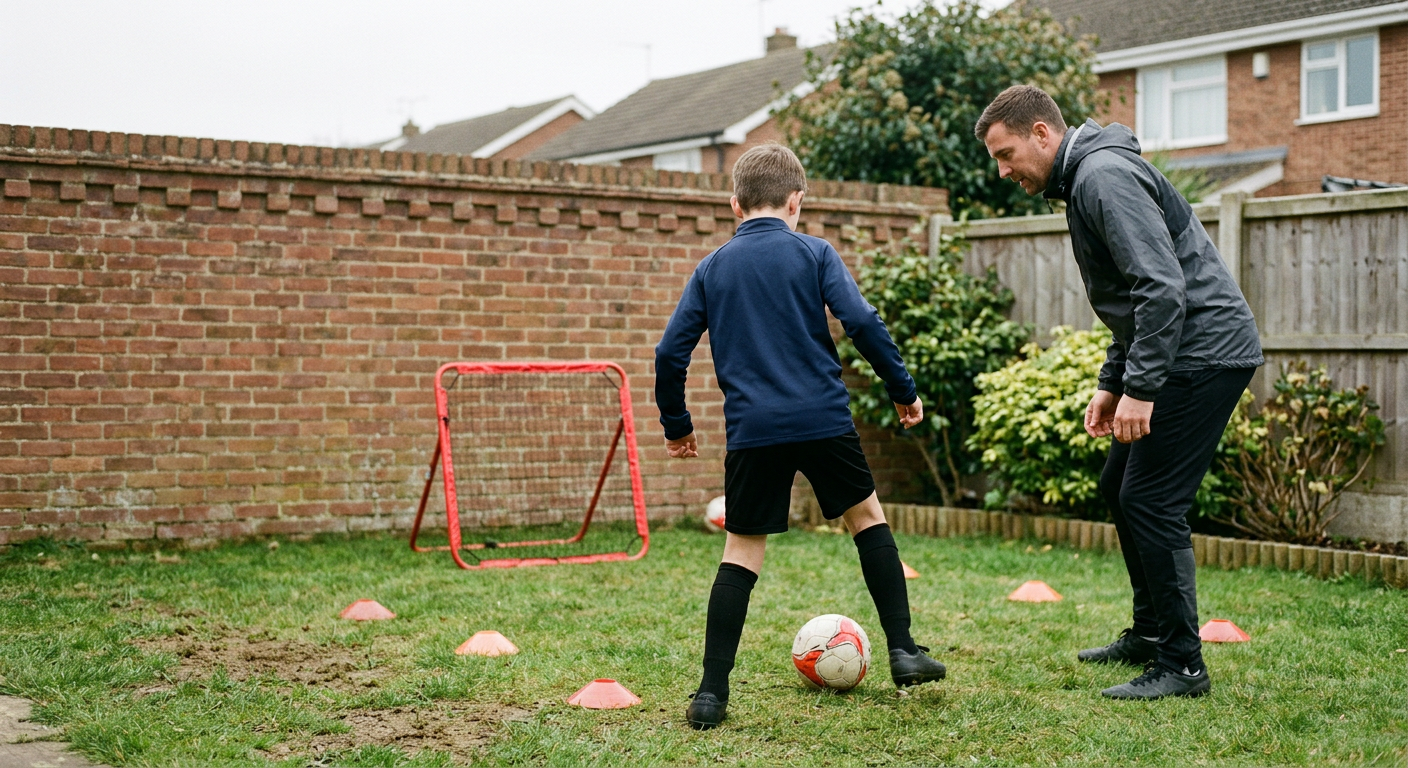
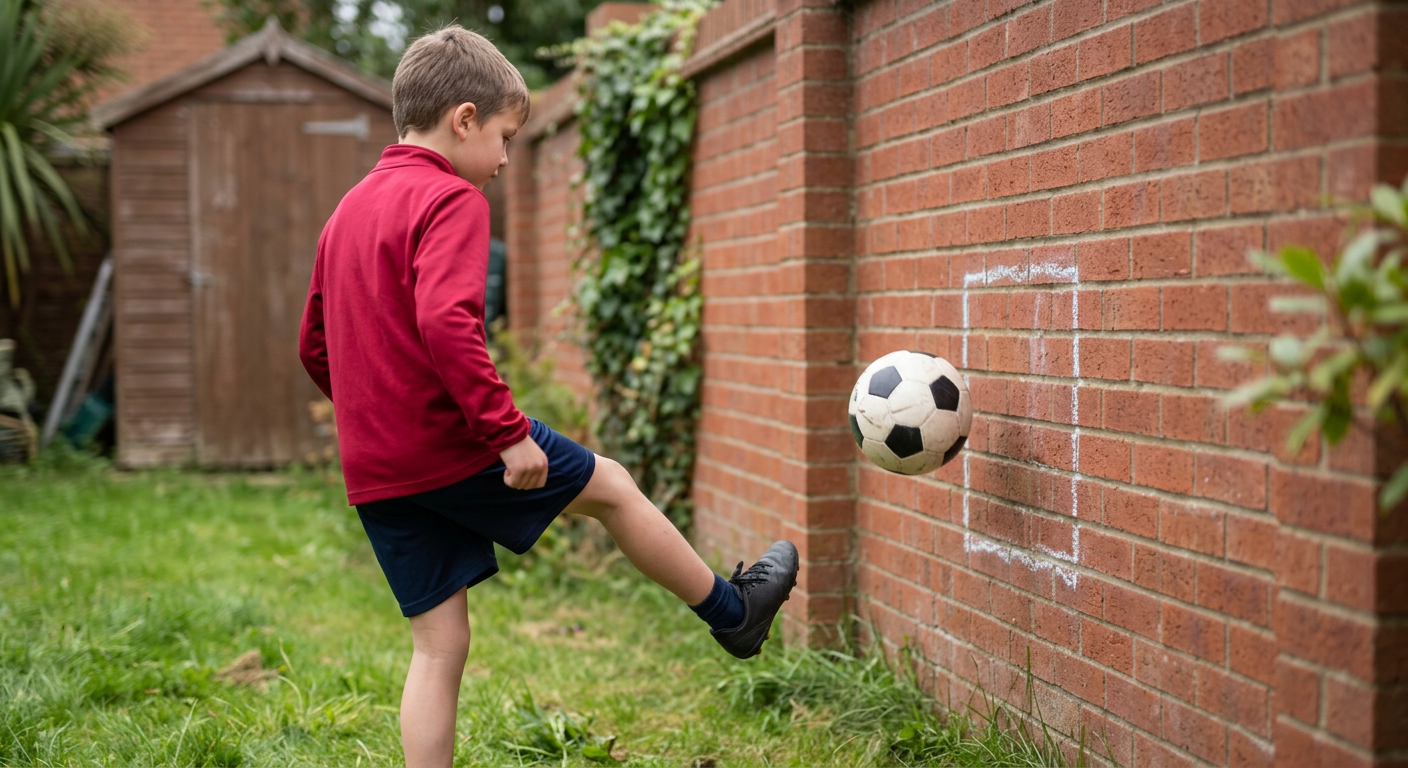
Children who look over their shoulder before receiving pick better options. Every wall-pass session at home should include a 'look before you touch' rule. Once it's a habit, it's a habit for life.
Step 2: Naming pictures
In sessions we ask 'what did you see?' after every rep. Not to catch them out — to make thinking about pictures normal. Try it at home: pause the pass, ask what they saw, then continue.
Step 3: Constraints, not commentary
Instead of shouting instructions, set a rule. 'You can only score with two touches.' 'You must switch play once every ten seconds.' Children figure out the answer inside the rule, and that's how decision-making is actually built.
Step 4: Watch football together
Fifteen minutes of a Premier League or Champions League match with the sound off, pausing to ask 'what would you do next?' teaches more than most coaching sessions.
Common blockers
Children with quick feet often skip decision work because dribbling gets them out of trouble at under-9s. It stops working around under-12s. Get ahead of it.
How youth players develop football IQ
Game intelligence for children football development is not about memorising complex tactics. It is about a young player's ability to process information quickly and choose the right tool for the situation. A child might have excellent close control, but if they constantly dribble into a crowd of defenders rather than picking an open pass, their impact on the game is reduced.
We describe this as the "scan, plan, execute" cycle. Before the ball even arrives, a player should be looking over their shoulder to see where their teammates and opponents are. This scanning provides the data they need to make a plan. Once the ball is at their feet, they carry out the action. Over time, these split-second realisations become second nature, allowing the game to slow down for them mentally even as the pace of play increases.
How our sessions help
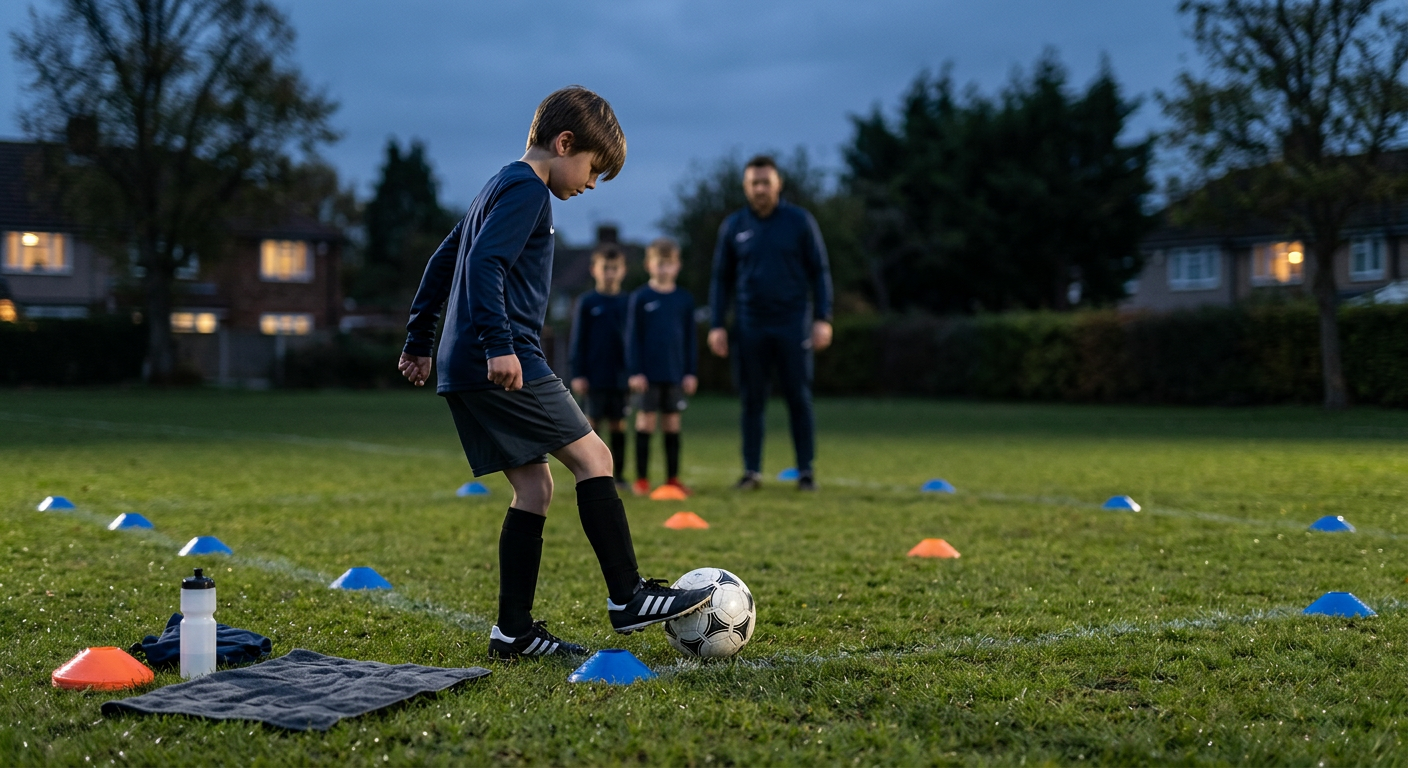
Our 1 to 1 coaching in Enfield focuses on creating scenarios that require constant thought. We avoid "drills" where a child stands in a long queue to perform a repetitive action without a defender. Instead, we use directional practices and varying constraints that force players to adjust their body shape and decision-making based on the coach's movement.
By isolating specific moments of a match, we allow children to trial different solutions without the pressure of a league result. We ask questions rather than simply barking instructions. If a player loses possession, we might ask what they saw before the pass or where the space was located. This guided discovery helps children take ownership of their choices, building the confidence to try new things during their weekend matches. We aim to help every player become more adaptable, providing them with a broader range of options when they find themselves under pressure on the pitch.
Ready to see this in a session?
If your child would benefit from focused 1-to-1 coaching, game intelligence coaching with Pitch Ready or get in touch to talk through what they need next.
Frequently asked questions
Written by
Founder and head coach at Pitch Ready Football. Alejandro runs one-to-one and small-group youth coaching sessions across North London, focused on ball mastery, confidence, and long-term development for children of all abilities.